
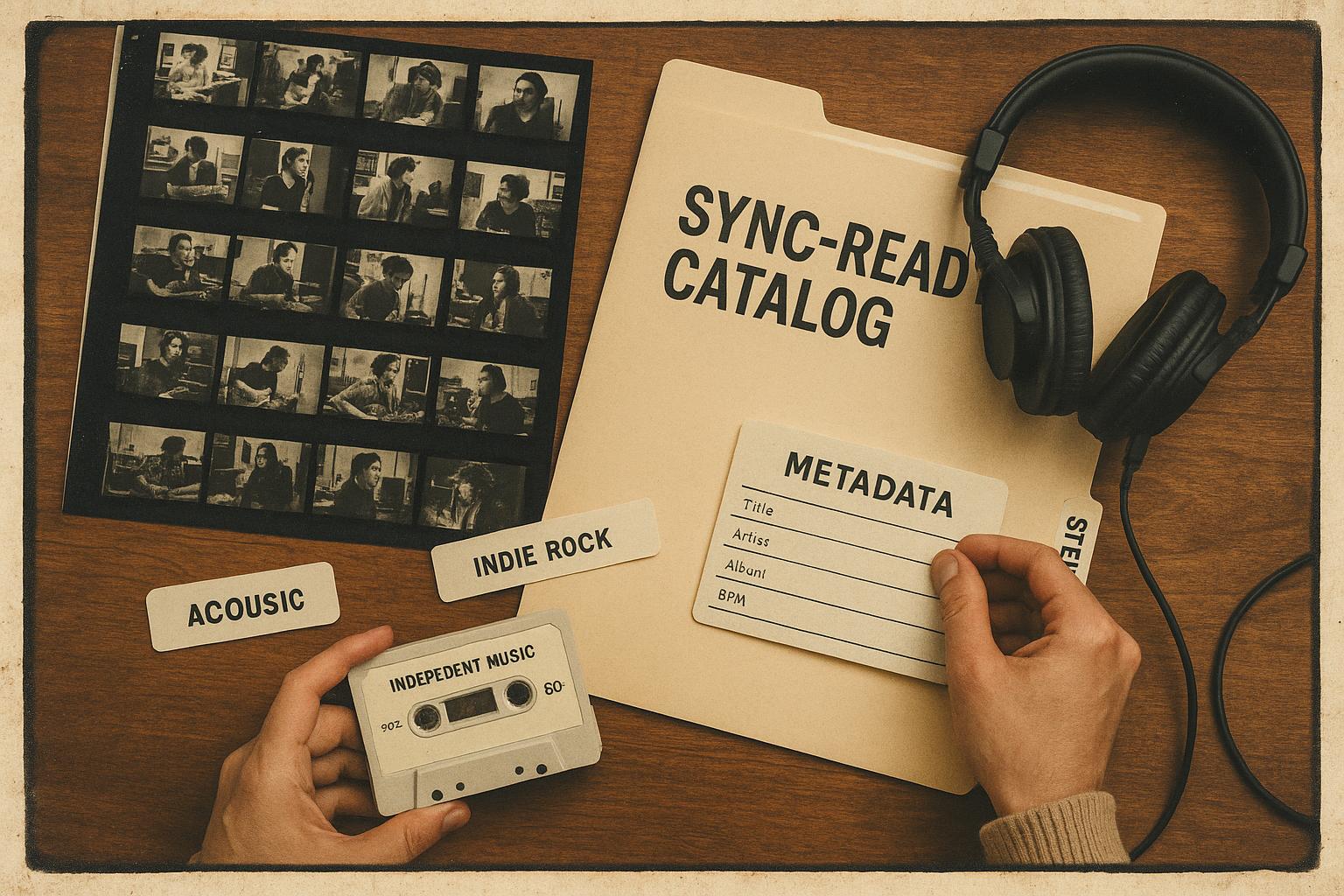
Turning cutting-edge studio tech into movie-ready placements and recurring sync revenue
In a marketplace where a single placement can unlock sustained revenue, the way you capture, catalog, and pitch your music matters just as much as the track itself. Leveraging state-of-the-art recording technology translates into higher-quality masters, cleaner stems, and richer metadata—assets that help producers, editors, and sync supervisors move faster and with less clearance friction. This article outlines practical steps to convert advanced studio practices into placement opportunities, while positioning One World Media as your partner for sync strategy, music publishing, rights admin, distribution, and artist development—especially if you’re navigating the Los Angeles ecosystem.
Case study: Real-world scenario of state-of-the-art recording tech in action
In Los Angeles, an indie songwriter-producer duo embraced a hybrid workflow: tracking with a modern analog-digital hybrid chain, capturing at 24-bit/192kHz, then delivering clean stems and alternate mixes (vocal, instrumental, and a dry/wet blend) within a tight production sprint. They tagged every take with tempo, key, mood, and dynamic markings at capture, and embedded ISRC/ISWC-ready metadata during mastering. Their project leveraged state-of-the-art recording technology to create a presentation-ready catalog that appealed to film trailers and streaming series. A targeted sync strategy, led by One World Media, positioned the track for a LA-based market and resulted in a high-profile trailer placement within six weeks, followed by ongoing licensing inquiries and recurring revenue through publishing and distribution services. This case demonstrates how quality, clear metadata, and fast-turnaround stems can convert studio effort into visible, monetizable placements.
- Audit and upgrade your capture chain: evaluate microphones, converters, monitoring, and room acoustics; document your gear in your catalog.
- Tag at the source: embed tempo, key, mood, energy, and intended usage notes as you record; maintain consistent naming conventions for folders, stems, and versions.
- Deliver a complete package: provide stems (drums, bass, guitar, keys, vocals), instrumentals, and a clean vocal mix, plus dry/wet variants and alternate edits.
- Register metadata and rights early: generate ISRC/ISWC codes, align with PROs, and prepare cue sheets alongside your final mixes.
- Work with a strategic partner: engage a sync-focused team to map your catalog to opportunities in LA and nationwide, with a clear publishing, rights admin, and distribution plan.
Practical takeaway: integrate metadata-driven workflows from day one, so your catalog is audition-ready for editors and supervisors—without the last-minute scramble.
Sync supervisors: what they need from artists
Sync supervisors are the gatekeepers to editors, trailers, and streaming campaigns. They prioritize clean, clear, and quickly cleared music. Here’s what they typically require, and how you can deliver it with less friction:
- High-quality, ready-to-use deliverables: stems, instrumental versions, and alternate mixes (e.g., vocal-only or dry/wet variants).
- Metadata quality: accurate track title, artist credits, ISRC/ISWC, tempo, key, mood, and licensing notes embedded in files and track sheets.
- One-stop clearance readiness: clean ownership, properly documented publishing and master rights, and ready-to-submit cue sheets.
- Alt mixes and stems on demand: quick access to vocal stems, instrumental stems, and any stems that help editors craft a scene.
- Fast turnaround: clear, proactive communication and a dependable point of contact at the label/publisher; real-time updates on clearance progress.
Delivering with this level of preparedness reduces back-and-forth and accelerates placements. One World Media’s sync strategy, publishing, rights admin, distribution, and artist development services are designed to support you through these processes—especially for projects targeting Los Angeles studios, agencies, and post houses.
Rights and readiness: split sheets, ownership clarity, and cue sheets
Rights readiness is non-negotiable in today’s sync landscape. Without crystal clarity, even great songs can stall in development or licensing. Build a robust rights framework with the following components:
- Split sheets and ownership clarity: document who owns what share of the master and publishing, including writer splits, producer credits, and any sample clearances.
- Publishing and master ownership: confirm who controls publishing versus masters and ensure agreements reflect current ownership to avoid disputes during clearance.
- PRO registration and international coverage: register with relevant PROs (e.g., ASCAP/BMI in the US) and extend registration to international territories where you expect licensing activity.
- ISRC/ISWC metadata: verify and maintain correct ISRC for each master and ISWC for each composition; embed these in your metadata packages for easy tracking.
- Cue sheets are essential: prepare cue sheets that accurately reflect usage, duration, and rights, enabling accurate royalty reporting and compliance across platforms.
Proactive rights readiness saves time and reduces chase-work for supervisors. One World Media can manage these tasks across your catalog, ensuring clean metadata, proper registrations, and streamlined cue-sheets to support scalable licensing and reporting.
Producer/songwriter collaboration workflows that increase placement success
Successful syncs hinge on efficient collaboration between producers, songwriters, and publishers. The following workflow increases clarity, speeds up approvals, and strengthens your placement chances:
- Unified briefs and project boards: start with a shared brief that outlines target genres, show formats, mood, tempo, and scene references; keep updates in a single workspace.
- Clear ownership and licensing templates: establish upfront who owns what and draft licensing templates that can be quickly adapted for each project.
- Version control and document standards: maintain a single source of truth for stems, mixes, and cue sheets; version filenames consistently (e.g., SongName_V1_Vocals.wav).
- Metadata-first production: embed metadata during tracking; ensure Pro- and publisher-related data flows to your distribution and rights-admin partners.
- Regular sync strategy reviews: quarterly check-ins with your sync partner (like One World Media) to align catalog growth with opportunities in major markets, especially LA.
Practical tip: treat each track as a living project—update metadata, track rights changes, and refresh stems as you push the catalog toward new opportunities. This disciplined approach makes your music more move-ready for bars, trailers, and streaming campaigns.
FAQ
Q: What timelines should I expect for a placement?
A: Timelines vary by project and rights clearance, but a well-prepared track with complete metadata and ready-to-clear assets can move within 2-8 weeks, depending on the scale of the production and the agencies involved. A strategic sync partner can help push timelines forward by coordinating with rights holders and editors.
Q: Do I need to register with PROs and obtain ISRC/ISWC codes?
A: Yes. PRO registration ensures you receive performance royalties, while ISRC/ISWC codes enable precise tracking and reporting across platforms. One World Media assists with rights administration to keep registrations current and aligned with your catalog.
Q: What metadata and deliverables do editors expect?
A: Editors expect high-quality audio files, detailed metadata (title, artist, mood, tempo, key), stems for editing flexibility, alternate mixes (instrumental/vocal), and accurate cue sheets. Fast turnaround and clear ownership information are also critical.
Q: How can I build recurring sync revenue?
A: Build a scalable catalog with consistent metadata, maintain clean split sheets and ownership records, publish through a reliable rights administrator, distribute widely, and maintain ongoing relationships with LA-based producers, studios, and editorial houses. A partner like One World Media can orchestrate strategy across publishing, sync licensing, distribution, and artist development to maximize recurring opportunities.
Contact One World Media
For more information, please contact us at support@oneworldmedia.global or call (307) 200-8139.