
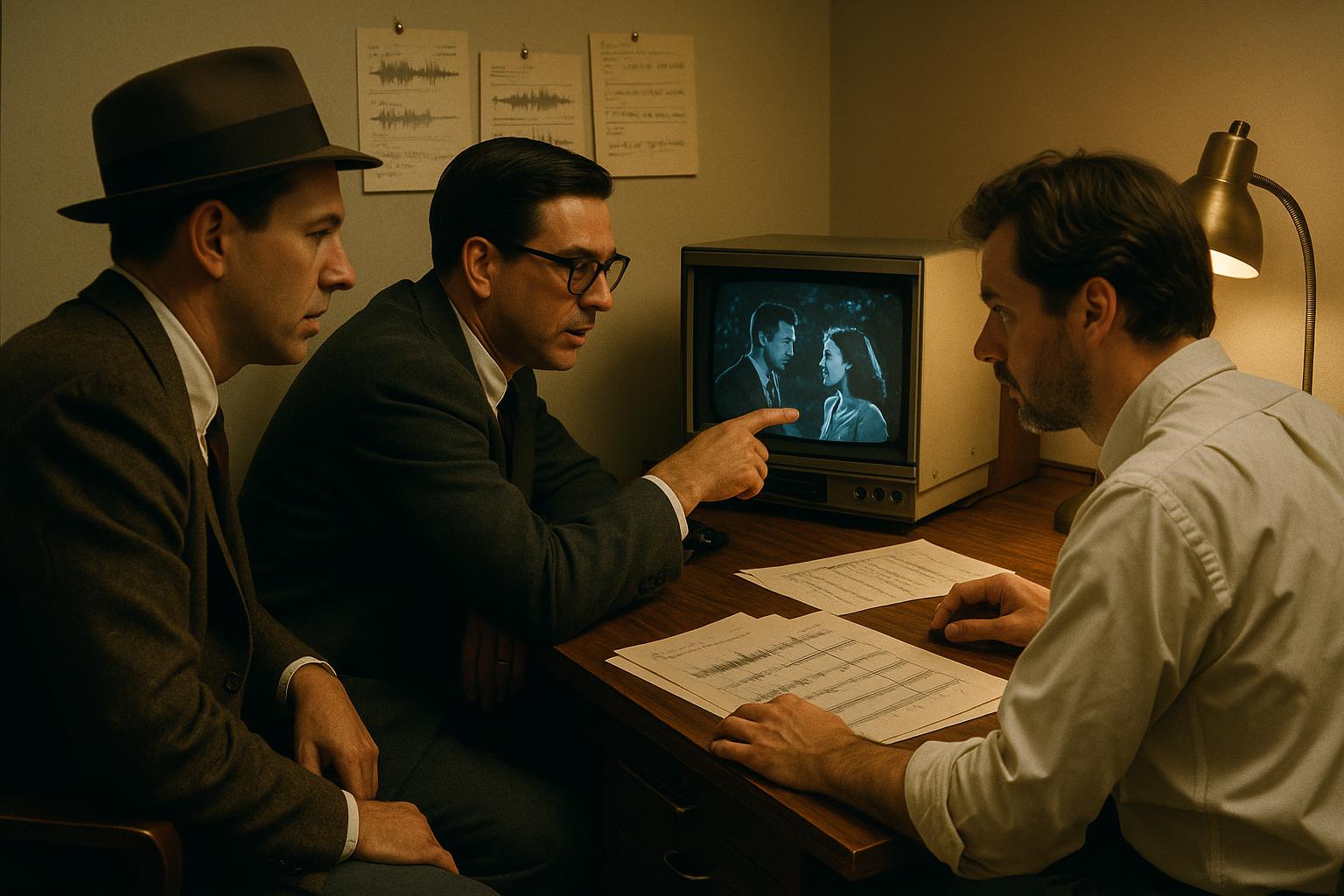
Publish your music strategically: metadata, clearance, and catalog planning for sync
In the world of film, TV, trailers, and streaming campaigns, the difference between a fast, clean clearance and a missed opportunity often comes down to how well you publish your music and how rigorously you manage metadata, rights, and catalog readiness. This guide provides a practical, step-by-step framework for producers building placement-ready catalogs, songwriters pitching for film and TV, sync supervisors sourcing clearable, high-quality music, and independent musicians seeking recurring sync revenue. Leverage One World Media’s integrated approach—sync strategy, music publishing, rights admin, distribution, and artist development—to turn catalog discipline into placement velocity, with a Los Angeles-centric lens on industry opportunities and partnerships.
Metadata, clearance, and catalog strategy for sync
A strong metadata backbone and a clear clearance path are as important as the music itself. Without precise data and ready-to-clear rights, even standout tracks languish in the catalog while gatekeepers search for viable cues. The goal is to make every track placement-ready, with clean rights, precise identification, and fast delivery packaging.
Practical steps you can implement now:
- Audit your catalog for accuracy: verify track titles, artist names, composer/publisher credits, release dates, and existing rights holders. Correct any inconsistencies in spelling, capitalization, or aliases.
- Standardize critical metadata fields: track title, artist, composer(s), publisher(s), rights status, ISRC (master), ISWC (publishing), BPM, key, genre, mood, vocal/instrumental versions, and territory restrictions.
- Tag usage notes and cues: create a taxonomy for tempo (e.g., BPM ranges), mood (e.g., energetic, moody), and usage (advertising, dramatic scene, end credits) to enable fast search by sync teams.
- Document clear rights for each track: confirm who owns the master and who owns the publishing; identify any third-party samples or collaborators that require extra clearance.
- Prepare cue sheets and reporting templates: ensure you can attach complete cue sheets with timing, territories, and performance rights information for every licensed use.
- Deliver in a rights-management-ready package: maintain a single source of truth (preferably in a rights admin or DAM system) and provide clean exports to distributors and licensing partners. One World Media can streamline this with a unified workflow for metadata, rights admin, and distribution.
Case example (brief): A Los Angeles–based producer restructured a 12-track catalog with standardized ISRCs, updated ISWCs, and complete publisher credits. Within six weeks, a high-energy cue from the catalog was cleared for a Netflix trailer, aided by complete cue sheets, stems, and instrumental versions. The result was a swift clearance process and a timely placement that fed into ongoing publishing revenue and future sync opportunities.
Sync supervisors: what they need from artists
Sync supervisors are responsible for matching the sound of a scene to the right musical moment while navigating complex rights. They value clarity, speed, and the ability to deliver a complete, compatible package. Anticipate their needs by implementing the following.
- Metadata quality: complete credits (master and publishing), accurate ISRC/ISWC, and consistent artist names across all files and documents.
- One-stop clearance readiness: a single package that covers both master and publishing rights, or a clearly documented path to cross-licensing with all necessary clearances.
- Alternate mixes and stems: provide radio edit, instrumental, and stem versions when possible to accommodate various edit needs.
- Instrumental versions: deliver instrumentals to support dialogue-heavy scenes or vocal-less placements.
- Fast turnaround: capability to deliver updated tracks, stems, or new versions within hours or a couple of days, not weeks.
- Delivery quality and format: high-quality stems (24-bit WAV/AIFF), properly labeled with consistent naming conventions and metadata.
Practical tip: build a “sync-ready” deliverables pack for each track with a master WAV, stems, instrumental, multiple edits, a one-page metadata sheet, and a cue sheet ready to attach to licensing requests. This reduces back-and-forth loops and speeds up approvals, aligning with One World Media’s emphasis on efficient sync strategy, rights admin, and artist development in a fast-moving LA ecosystem.
Rights and readiness: splits, master/publishing ownership clarity, PRO registration, ISRC/ISWC metadata, and cue sheet importance
Rights readiness is the backbone of scalable, recurring sync revenue. Clear ownership prevents disputes, ensures proper royalties, and yields smoother licenses across film, TV, trailers, and ads. Here’s how to lock it in:
- Split sheets and ownership clarity: document who owns the master and who owns the publishing, with explicit percentage splits and a signed agreement. Ensure all collaborators are listed with correct contact details for licensing.
- PRO registration: register works with the appropriate performance rights organization (ASCAP, BMI, SESAC, etc.) to ensure timely royalties and correct cue reporting.
- ISRC and ISWC metadata: attach ISRCs to master recordings and ISWCs to musical works; keep metadata synchronized across all platforms and licensing documents.
- Cue sheets and reporting: maintain comprehensive cue sheets for every use. Cue sheets drive royalties and help licensees report usage accurately to PROs and rights holders.
- One-stop clearance considerations: whenever possible, secure one-stop licensing rights that allow a single agreement to cover master and publishing rights for a given cue.
Practical steps you can take today:
- Consolidate all track ownership information in a single, accessible document (or rights management system).
- Verify and publish, where applicable, the ISRC for each master and the ISWC for each work, updating any registry entries as needed.
- Register all works with the relevant PROs and verify that the registrations match the credits in your metadata.
- Create and attach complete cue sheets for each track so licensing teams can quickly assess usage and royalties.
Note on the LA market: a well-documented rights profile accelerates approvals with major networks and streaming platforms headquartered in or connected to Los Angeles, where publishers, labels, and film studios routinely run tight clearance timelines. This is exactly where One World Media’s rights admin and distribution capabilities align with industry needs.
Producer–songwriter collaboration workflows that increase placement success
Effective collaboration workflows reduce friction, accelerate delivery, and boost placement rates. By aligning on ownership, naming conventions, and delivery standards, you create an ecosystem where publishers and sync teams can move quickly from concept to clearance.
- Define ownership and splits up front: create a binding agreement before writing, specifying who owns what and how any future uses will be licensed. Include a plan for splits on rights from revised or remixed versions.
- Establish a shared metadata template: use a templated sheet for every song that includes all required fields (titles, credits, ISRC/ISWC, versions, mood, tempo, and usage notes).
- Version control and naming conventions: adopt a clear system for naming tracks, stems, and alternate mixes to avoid confusion during licensing reviews.
- Deliver packaged assets consistently: provide a master, stems, instrumental, alternate edits, and a ready cue sheet in a standard package format with metadata attached.
- Schedule regular sync reviews: build a cadence for reviews with publishers, sync supervisors, and producers to refine cues that align with upcoming placements.
Practical tip: use project-management tools to track deliverables, deadlines, and rights status. This aligns with One World Media’s holistic approach to artist development, ensuring you maintain momentum from creation through release and into licensing opportunities.
FAQ
Q: How long does it typically take to clear a track for a sync?
A: Turnaround can vary based on rights clarity and the involvement of third-party rights holders. A clean, one-stop clearance with fully documented splits and cue sheets can often move within days; more complex permissions may take weeks. Building a metadata-rich, rights-ready package dramatically reduces delays.
Q: What exactly is a cue sheet and why is it important?
A: A cue sheet documents where and when a piece of music is used in a production, which rights are licensed, and how royalties will be distributed. It’s essential for accurate reporting to PROs and for ensuring the composer and publishers receive proper performance royalties. It also provides a transparent trail for auditors and licensees.
Q: How can I ensure my metadata is ready for licensing?
A: Start with complete credits, verified rights holders, accurate ISRC/ISWC codes, and consistent artist naming. Include mood, tempo, genre, and usage notes, plus ready deliverables (stems, instrumentals, alternate edits). A centralized rights admin workflow makes ongoing licensing faster and more reliable.
Q: How does One World Media support artists in publishing and sync?
A: We provide end-to-end services, including a strategic sync plan, comprehensive music publishing and rights administration, distribution, and artist development. Our Los Angeles–centric network connects you with publishers, festivals, producers, and licensing teams, accelerating your catalog’s placement opportunities.
Contact One World Media
One World Media offers a cohesive suite of services to help you publish your music with confidence and scale your sync revenue. Our integrated approach covers publishing, rights administration, distribution, catalog strategy, and artist development to support placement-ready catalogs and recurring licensing opportunities in LA and beyond. Whether you’re building a catalog from the ground up or refining an existing library, we can tailor a program that fits your goals and timeline.
For more information, please contact us at support@oneworldmedia.global or call (307) 200-8139.