
Turn your music into recurring placements on YouTube: a practical, catalog-first approach
In today’s content ecosystem, producers, songwriters, and sync teams win when the catalog is ready for prime time. For Music for YouTube opportunities, a strategic catalog, rock-solid metadata, and rock-solid clearance workflows mean faster approvals, more placements, and steady sync income. Based in Los Angeles and beyond, One World Media helps you craft a scalable publishing, sync, distribution, and artist-development program that turns creative work into repeatable revenue.Practical catalog strategy for Music for YouTube placements
A placement-ready catalog isn’t a random collection of tracks. It’s a curated library organized for quick matching with brief, clear briefs from production houses, ad agencies, and YouTube creators. Here’s how to build it.- Define usage buckets and assets: sonic palettes (cinematic, indie pop, electronic, world), moods (uplifting, tense, warm), and formats (stems, instrumental versions, alt mixes).
- Align tempo and key ranges with common YouTube scene needs: 70–140 BPM, major/minor tonal options, and accessible instrumentation.
- Standardize file naming and metadata conventions before you upload to rights-management and distribution platforms.
- Batch-track workflows for quick turnarounds: deliver fully pre-cleared, cue-ready tracks with stems and stems-ready alternate mixes.
- Set up a tiered licensing plan: broad YouTube usage, limited-ads, long-form content, and trailer/spot-specific terms to simplify negotiations.
- Develop a “placement-ready” workflow: a short, clean doc for each track with usage notes, suggested cuts, and a one-page rights/splits summary.
In practice, a strong catalog for Music for YouTube will include clear instrumentals, vocal stems, and alternate mixes, plus precise metadata that makes it easy for a supervisor to picture the track in a scene. A robust rights framework accelerates the clearance process and reduces friction. If you’re aiming for recurring sync income, the catalog must feel plug-and-play for the buyer.
Metadata, clearance, and fast turnovers for sync success
Sync success hinges on metadata quality, clear rights ownership, and the ability to deliver fast. Use a practical, step-by-step process to keep your catalog sale-ready.- Audit every track for metadata completeness: track title, artist name, composer/publisher credits, territory, language, playback duration, and the correct ISRC/ISWC codes where applicable.
- Prepare a master/publishing split sheet for every track and confirm ownership clarity with all contributors before listing for licensing.
- Bundle stems and alternate mixes (instrumental, vocal, and underscore) as standard deliverables for easy adaptation by supervisors.
- Establish a one-stop clearance package: your rights owners, publishers, and any sample-cleared material clearly identified; update licenses as needed.
- Compile cue-sheets-ready information to speed post-production compliance after use (see the “Cue sheet importance” section below).
- Deliver ready-to-ship files with clean names, descriptive metadata, and well-labeled stems to minimize turnaround time.
Practical tip: set a quarterly audit and refresh cycle for your catalog. Remove tracks with expired licenses, replace underperformers, and ensure metadata maps to current PRO registrations. In a fast-moving space like YouTube content, the speed of delivery can be the difference between a placement and a missed brief.
Rights and readiness: ownership, splits, PROs, ISRC/ISWC, and cue sheets
A production-friendly catalog requires clear rights ownership, robust documentation, and timely data. Here’s how to secure readiness across the board.- Split sheets: capture all contributors (writers, producers, performers) and their shares. Include contact information and publishing administration details. This eliminates disputes when a brief requests licensing or new grants appear.
- Master and publishing ownership clarity: identify who controls the master recording and who owns the publishing rights. Confirm any third-party samples or libraries and the attribution requirements.
- PRO registration: ensure every track is registered with the appropriate PROs (ASCAP, BMI, SESAC, or international equivalents) and that songwriter/publisher information matches the rights documentation.
- ISRC/ISWC metadata: embed or attach ISRCs for masters and ISWCs for works; ensure these IDs align across all distribution and rights systems.
- Cue sheets: prepare accurate cue-sheet data for every usage instance (composer, publisher, track title, duration, and terminate/completion notes). Cue sheets are essential for royalties and licensing audits post-use.
Why this matters for Music for YouTube? Because a large portion of online placements, including YouTube campaigns and creator collaborations, relies on timely rights clearances and precise royalty-tracking. A well-documented catalog reduces licensing friction and speeds payments, especially when scale and repeat usage come into play. One World Media’s rights-admin and publishing services help you manage these elements at scale, so you can focus on creative development and distribution strategy.
Producer/songwriter collaboration workflows that increase placement success
Collaborations should be designed to maximize efficiency, minimize confusion over ownership, and accelerate the path to placement. Here’s a practical workflow you can apply today.- Define a joint brief template: include intended usage (YouTube ads, channel trailers, series, shorts), target audience, and preferred sonic palette.
- Set up a shared project space with clearly labeled stems, alternate mixes, and version control. Use naming conventions that include track title, version, and asset type (e.g., SongName_AltMix_V2_Instrumental).
- Agree on ownership and splits upfront: lock in a written agreement detailing publishing shares, master ownership, and licensing terms for YouTube use across all likely scenarios.
- Pre-approve a set of “producer-ready” mixes and edits tailored to YouTube formats (15–60 seconds, 30-second cues, and 60-second tracks) so supervisors can drop in quickly.
- Establish a fast-turnaround protocol: when a supervisor requests a quick cut or alt version, respond within 24–48 hours with the requested deliverables.
- Integrate distribution and rights admin early: register works with PROs, attach ISRC/ISWC, and ensure release schedules align with potential licensing opportunities.
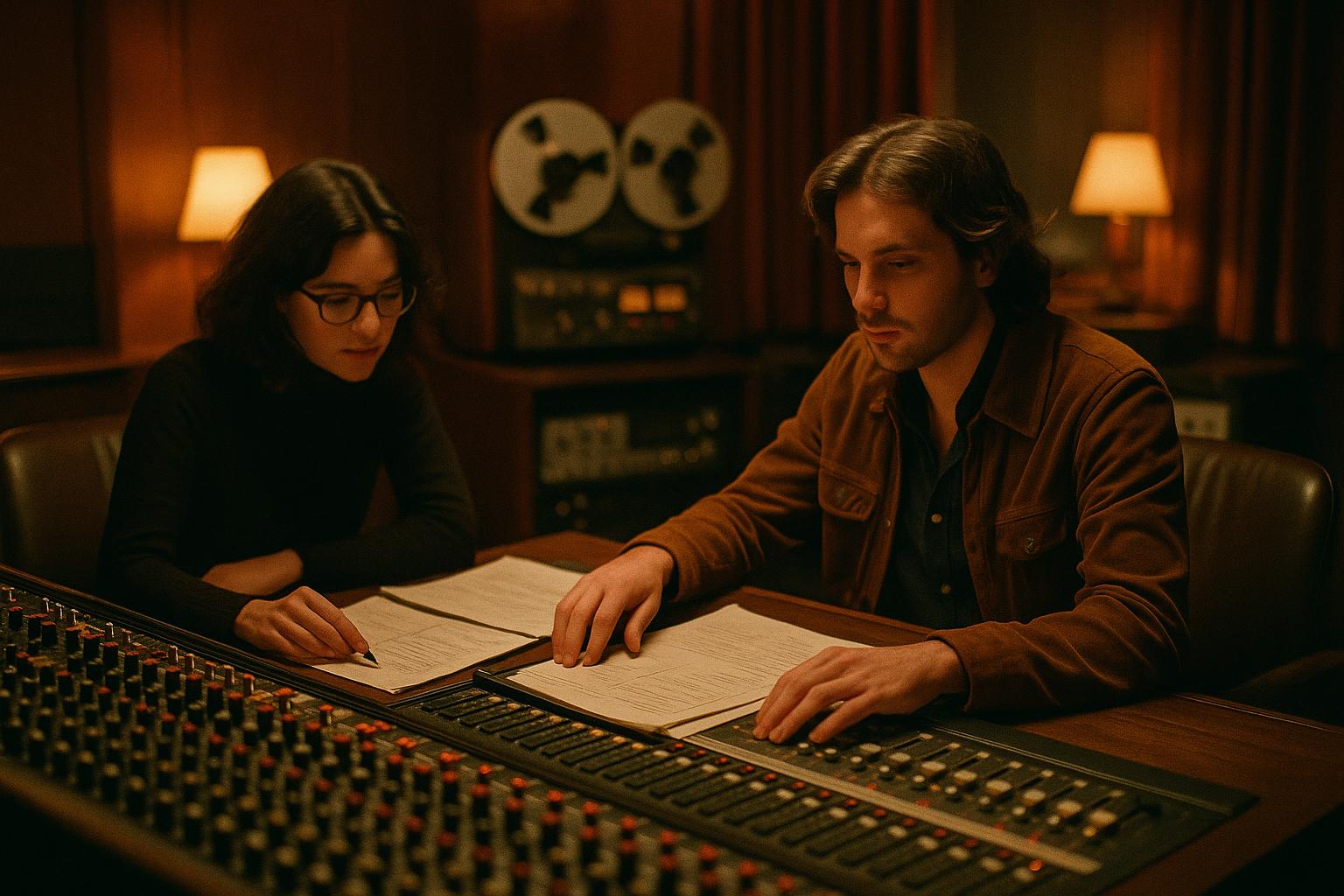
Case in point: a LA-based producer-writer duo collaborates with a sync supervisor to craft a library of 30-second cues tailored for YouTube travel vlogs. They deliver pre-cleared stems, instrumental versions, and alt mixes on a rolling basis, tagging each file for fast search in the supervisor’s system. The result is rapid approvals for multiple campaigns and ongoing alignment with a growing network of YouTube creators and brand channels.
Real-world scenario: YouTube trailer cue powering a micro-budget indie feature
A small indie team in Los Angeles lands a micro-budget feature and needs a concise, emotionally resonant cue for the film’s official YouTube trailer. The track is originally written for a synth-pop album, but the team wants a shorter, vocal-free version with a darker edge for the trailer. The producer had pre-cleared ownership with a clean split sheet, an ISRC for the master, and an ISWC for the work. They provide an instrumental alt mix, a stem, and a 30-second trailer-ready cut. Within 48 hours, the sync supervisor approves the track, and the trailer goes live with a clean cue-sheet submission, ensuring accurate royalty flows across broadcast and streaming windows. This scenario underscores the value of readiness—clear ownership, fast deliverables, and concise usage rights—especially when a YouTube trailer becomes a pivotal discovery channel for a film’s audience.What sync supervisors need from artists
To streamline placements and maximize approval speed, supervisors look for a predictable, dependable package. Here’s what they typically need, and what you should deliver consistently.- Metadata quality: accurate titles, writer/producer credits, publisher information, and correct year. Ensure metadata aligns with PRO registrations and ISRC/ISWC data.
- One-stop clearance: clear ownership for master and publishing, any samples disclosed, and a full rights package ready for license requests.
- Alt mixes and stems: provide vocal, instrumental, and alternate mixes; supply stems in commonly used formats (e.g., 5–7 stems per track) to enable easy scene adaptation.
- Instrumental versions: a clean instrumental helps with dialogue-heavy scenes, ensuring the music does not compete with speech.
- Fast turnaround: establish an SLA (service-level agreement) for responding to briefs within 24–48 hours, with a clear path for licensing extensions if needed.
For those curating a catalog for YouTube-centric content, aligning these needs with a robust publishing, sync strategy, distribution, and artist-development program from One World Media creates a reliable supply chain—reducing time-to-approval and expanding your placement opportunities. LA-area supervisors particularly favor ready-to-go assets that seamlessly integrate with high-velocity video campaigns and seasonally driven content cycles.
FAQ
Q: What makes a catalog “placement-ready” for Music for YouTube?
A: A placement-ready catalog features complete metadata, clear rights ownership, pre-cleared samples or avoidances for required genres, stems and alternate mixes, and ready-to-license master and publishing terms. It’s also organized into usage buckets (ads, trailers, series, shorts) with defined licensing terms and delivery formats that align with typical YouTube workflows.
Q: How can I ensure faster clearance for YouTube campaigns?
A: Build a one-stop clearance package for each track, confirm ownership in writing, and include pre-negotiated licenses for common YouTube uses. Maintain ready-to-deliver stems, instrumental versions, and alt cuts, and have a clear cue-sheet process in place. Consider consolidating rights administration with a trusted partner to streamline paperwork and payments.
Q: What role does metadata play in securing placements?
A: Metadata is essential for searchability and rights tracking. Accurate ISRC/ISWC codes, performer and writer credits, and publishing information ensure correct attribution and royalty collection. High-quality metadata reduces back-and-forth with supervisors and accelerates licensing decisions.
Q: How does collaboration between producers and songwriters improve placement outcomes?
A: Clear ownership, upfront splits, and a workflow that delivers ready-to-license assets (including stems and alt mixes) speed approvals. Shared briefs, version control, and a responsive cycle for quick edits align creative output with the pace of YouTube campaigns and episodic content.