
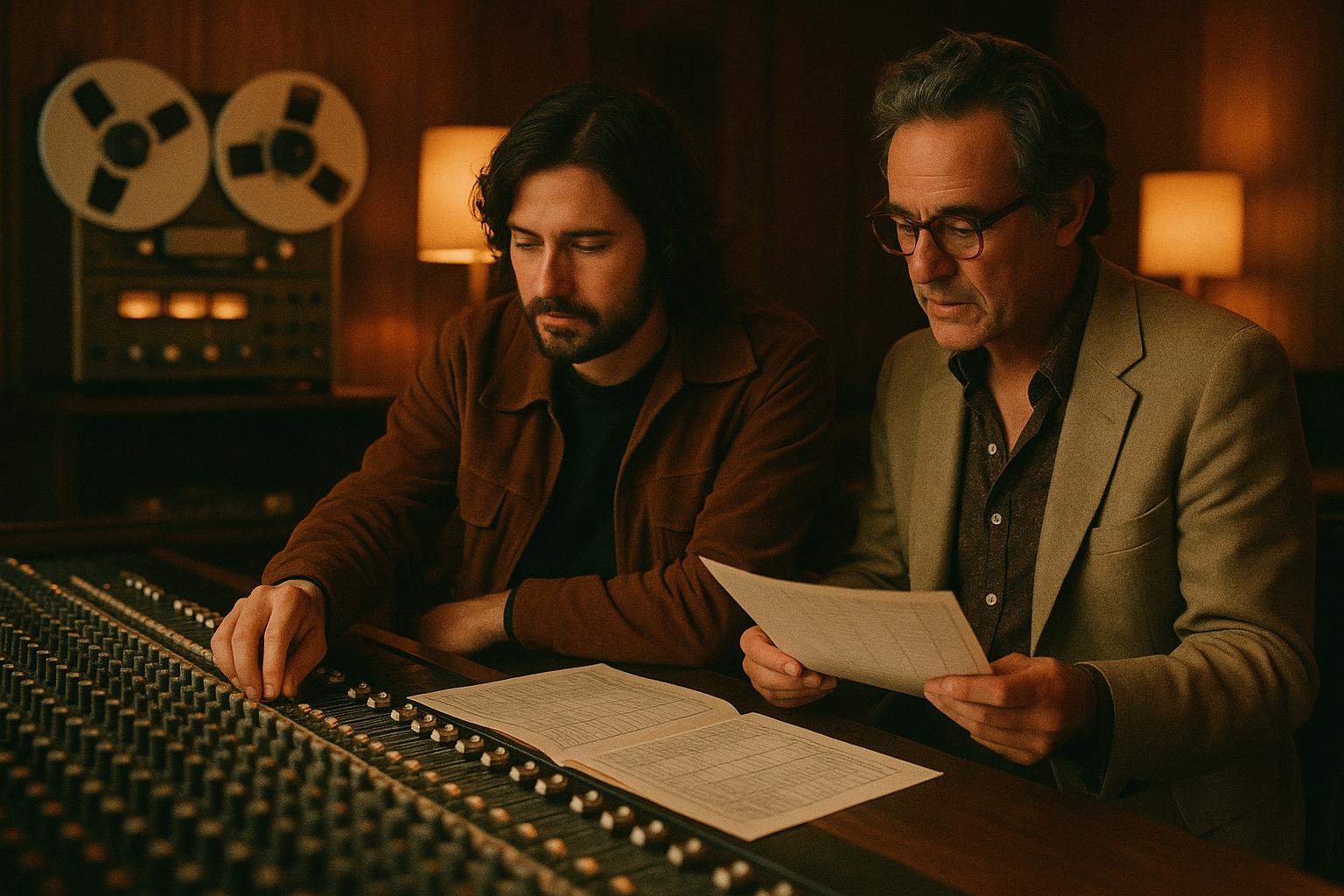
In the heart of the city that never sleeps, your music becomes a strategic asset for film, TV, and beyond.
For producers building placement-ready catalogs, songwriters pitching for visual media, sync supervisors sourcing clearable music, and independent artists chasing recurring sync revenue, the New York music industry represents a fast-moving, high-stakes environment. This practical guide cuts through the clutter, outlining an actionable path from catalog construction to successful, repeatable sync placements. Along the way, you’ll see how One World Media’s services—sync strategy, music publishing, rights admin, distribution, and artist development—can accelerate results. While New York is your core market, a savvy approach often leverages cross-market opportunities with Los Angeles and other hubs to maximize placement velocity and revenue.
Why the New York music industry matters for sync placements
New York is a dense hub of media production, post houses, and decision-makers. The city’s studios, networks, and film offices create a steady stream of opportunities for high-quality music, especially for drama, crime, and urban-centric narratives that often shoot in or are based around NYC. But the real value comes from combining proximity with a scalable process: clear ownership, clean metadata, and a catalog designed for quick licensing. In practice, the New York music industry rewards catalogs that are tight, rights-cleared, stylistically diverse, and deliver-ready a cappella, stems, and instrumental options on demand. This is where a focused sync strategy, robust music publishing, and proactive rights administration pay dividends—delivering both upfront placements and ongoing, recurring revenue through licensing across streaming, cable, network, and theatrical channels.
Building a placement-ready catalog in a city that never sleeps
A catalog built for the New York market should be both fast and flexible. It’s not enough to write great songs; you need to package and curate them for rapid licensing. Here are practical steps to get there.
- Define a clear catalog identity: moods, tempos, and genres that align with NYC production trends (drama cues, edgy urban pop, moody electronica, orchestral hybrid cues).
- Quality control at the source: professional mixes, consistent loudness, and high-fidelity stems.
- Metadata discipline: track names, writer/artist credits, publisher splits, and accurate ISRCs embedded at delivery.
- Alternate versions: create radio edits, short cues, and instrumental versions for various licensure needs.
- Packaging for the supervisor: deliver catalog pages with short cue descriptions, suggested usage notes, and tempo/key information.
- Rights readiness: secure clear ownership, publish/perform splits, and register with PROs before pitching.
Step-by-step workflow to accelerate catalog readiness
- Audit your catalog for licensing readiness: confirm ownership, confirm who needs to approve use, and confirm that no samples or third-party elements require additional clearance.
- Prepare delivery specs: WAV/AIFF at 44.1kHz/24-bit, stems ready, and instrumental/mix variants labeled precisely.
- Catalog tagging and searchability: tag by mood, tempo, instrumentation, and potential usage (drama cue, montage, end-credits).
- Metadata quality control: verify ISRC, ISWC, writer splits, and PRO registrations; attach cue sheets where applicable.
- Test pitch locally: share a private link with chosen supervisors or a trusted music supervisor platform to gather feedback and speed up approvals.
- Iterate rapidly: refresh the catalog with new material every 4–6 weeks to stay top-of-mind for ongoing production cycles.
One World Media supports this process through a holistic approach: defining sync strategy, handling publishing, maintaining rights administration, coordinating distribution, and driving artist development to expand catalog breadth and placement quality. In practice, a robust New York strategy often pairs with targeted Los Angeles outreach to align with national production cycles and larger studios.
Rights and readiness: essential checks before pitching
Before you press send on any pitch, ensure your rights and metadata are airtight. Mistakes here derail deals and sour relationships with supervisors and editors. The following checklist helps you sleep well at night—and pitch with confidence.
- Split sheets and ownership clarity: have definitive, signed splits for all collaborators and explain ownership in terms of publishing and master rights.
- Master and publishing ownership: confirm who controls the master and who controls the publishing; align on licensing scope (territory, duration, media).
- PRO registration: ensure each track is registered with your Performing Rights Organization and that your PRO data matches your metadata (writer/publisher names, splits).
- ISRC/ISWC metadata: verify ISRC for each master and ISWC for each publishing entity; embed these codes in all delivered files and cue sheets.
- Cue sheets: maintain clean cue sheets with track-length, usage type, and rights information; cue sheets are essential for royalties and rights tracking in TV/film licensing.
With these foundations, you reduce licensing friction and accelerate agreements in the fast-moving New York ecosystem. A strong rights/readiness posture also strengthens relationships with distributors, publishers, and sync supervisors, translating into more predictable revenue streams and ongoing placements.
Sync supervisor playbook: what they need from artists
Sync supervisors are your gatekeepers to placements in film, TV, trailers, and ads. They value fast, clean access to music that matches tight production schedules. Here is what they typically require from artists and their teams.
- Metadata quality: accurate titles, credits, writing and publishing information, and easily searchable catalog pages.
- One-stop clearance: clear, centralized licensing options or availability for a one-stop license (if possible) to simplify approvals.
- Alt mixes and stems: provide a full set of options—stems (drums, bass, guitars, synths), instrumental versions, and alternate mixes for different scenes.
- Instrumental and vocal-free versions: essential for dialogue-heavy scenes and to avoid vocal clashes with on-screen audio.
- Fast turnaround: an SLA for approvals and re-deliveries, ideally within 24–72 hours for initial responses and 2–5 business days for final clearance.
- Clear licensing terms: upfront license scope, usage limits, and any regional restrictions to avoid late-stage renegotiations.
Practical tips for faster approvals include tagging cues with suggested usage notes (e.g., “emotional montage, 30 seconds, no dialogue overlap”), maintaining a clean delivery package with all versions in easily downloadable formats, and using a reliable rights management partner to handle one-stop clearance when possible. One World Media’s sync strategy and rights administration services are designed to streamline this workflow, ensuring your music is easily discoverable and license-ready for NYC and cross-market opportunities.
Producer–songwriter collaboration workflows that increase placement success
Successful collaborations don’t just produce great tracks; they create a repeatable pipeline that yields consistent placements. Here’s a practical framework to implement with your partners.
- Agree on a brief and target notes: before writing, document the intended brief, expected mood, and potential usage windows so everyone aligns from day one.
- Lock rights and splits early: use a transparent, written agreement or a standard contract; complete a detailed split sheet before recording starts.
- Versioning discipline: plan for stems, instrumentals, and alternate mixes from the outset; name files consistently (e.g., Artist_Title_Stems_V1).
- Workflow with metadata in mind: embed accurate ISRC/ISWC, writer/publisher credits, and production credits in all files and project notes.
- Regular check-ins and milestones: set weekly progress meetings and milestone alerts for rough cut, final mix, stem delivery, and cue sheet submission.
- Pre-clear samples and dependencies: audit for any third-party samples or interpolations early to avoid last-minute clearance hurdles.
- Pitch packaging: when sending to a supervisor, include a concise cue description, tempo, key, mood tags, and a short “why this fits” note tailored to the scene type.
By building a collaborative workflow that emphasizes clear rights, predictable delivery, and metadata discipline, you create a scalable model for ongoing placements. One World Media can support this with artist development programs, strategic publishing partnerships, and distribution workflows designed to maximize catalog monetization across the New York music industry and beyond. The LA ecosystem often complements these efforts, providing access to a broader network of film and TV projects that prefer well-structured collaborations from NYC writers and producers.
Case study: a real-world style scenario in the New York market
In a recent cycle, a NYC-based indie producer (P) and songwriter (S) built a placement-ready track family tailored to drama and urban storytelling. They began by cataloging a set of moody, tempo-tuned cues designed for late-night NYC scenes. They ensured clear splits, registered ISRC/ISWC, and created stems and instrumental versions. They partnered with a local sync supervisor (who had long-standing ties to a major streaming service) and delivered an initial pitch package within 72 hours of a brief released by a New York production house.
The supervisor selected one cue for a late-season trailer and arranged a one-stop license, speeding approvals. Within two weeks, the track appeared in the trailer’s final cut, followed by a licensing deal for streaming, broadcast, and trailer usage. The result was not only a successful placement but an ongoing relationship that led to additional opportunities, including a pilot and a network promo package. The relationship benefited from clear metadata, prompt delivery of stems and alternate mixes, and a proven collaboration workflow—areas where One World Media can scale the process for other NYC artists and catalogs.
FAQ
Q: How long does a typical sync clearance take in New York when there is a tight deadline?
A: Turnaround times vary by project, but with clean rights, complete metadata, and availability of one-stop licensing, many NYC cycles move within 3–7 business days for initial approvals, with final cue sheet and payment following soon after. Having a ready set of stems, instrumental versions, and preferred license terms can shorten the timeline dramatically.
Q: What metadata is essential for catalog submissions and pitches?
A: Essential metadata includes accurate track title, writer and publisher credits, ISRC/ISWC codes, PRO registrations, tempo, key, genre/mood tags, cue-type suggestions, and a clear license scope. Also include a concise pitch note describing how the track fits various scene types and the intended audience.
Q: How can an independent artist build recurring sync revenue in the New York music industry?
A: Develop a steady pipeline of high-quality material with immediate licensing readiness, register properly with PROs and publishers, maintain clean splits, and build relationships with NYC supervisors and music supervisors who repeatedly source music for a range of productions. Regularly refresh your catalog with new material, ensure fast turnaround capabilities, and partner with a publisher or rights admin service that can handle global distribution and licensing in parallel with your creative work.
Q: Does One World Media help with publishing, rights administration, and distribution?
A: Yes. One World Media offers a holistic suite, including sync strategy, music publishing, rights admin, distribution, and artist development. We help you align your catalog with market needs in the New York music industry, optimize metadata, secure clearances, and maximize ongoing licensing revenue across TV, film, ads, and streaming platforms.
Contact One World Media
For more information, please contact us at support@oneworldmedia.global or call (307) 200-8139.