
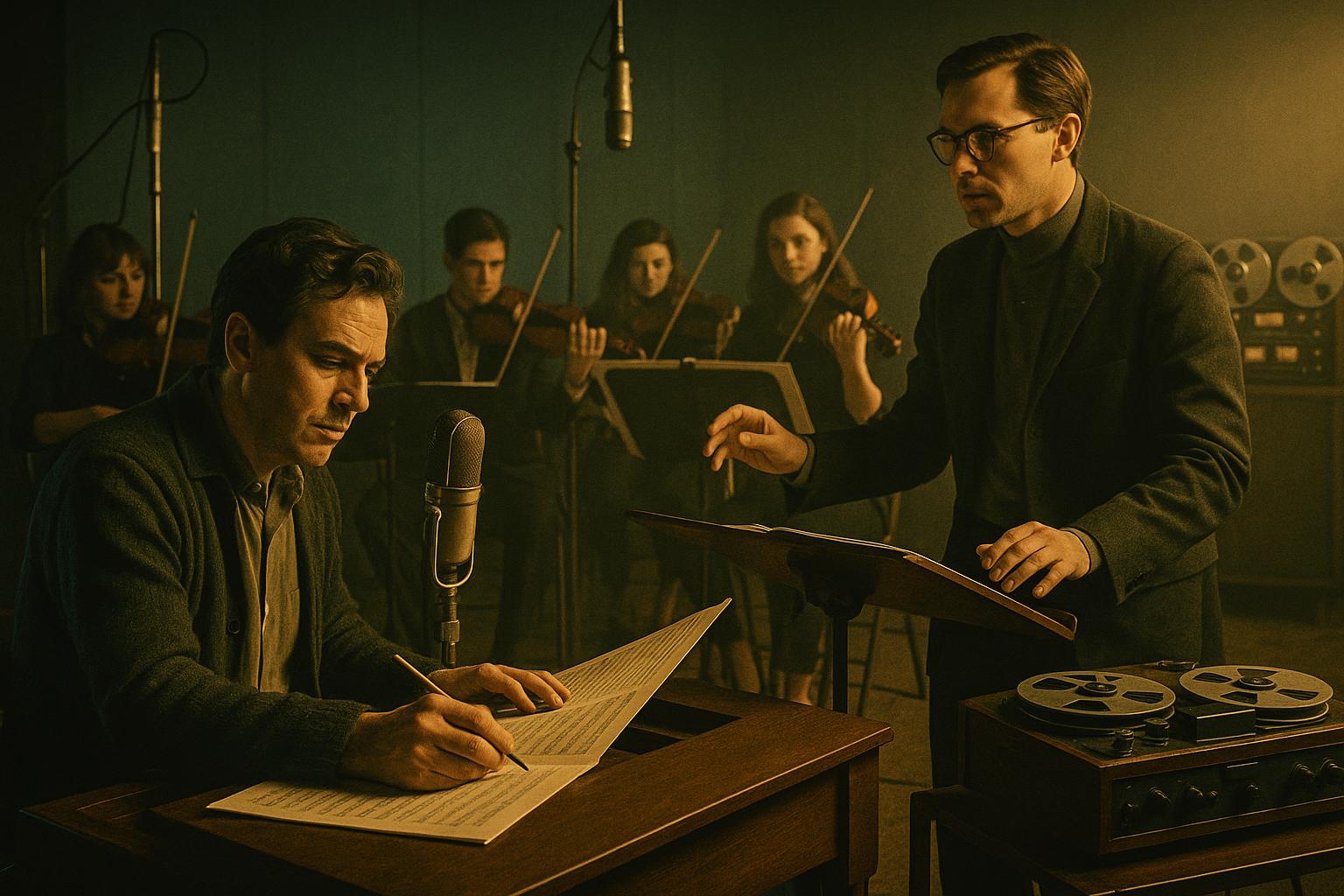
Unlock steady placements and recurring income: strategic pathways for Music licensing
In today’s film, TV, trailer, and streaming ecosystems, Music licensing is less about luck and more about a disciplined strategy. Producers building placement-ready catalogs, songwriters pitching for screen opportunities, sync supervisors seeking clearable, high-quality tracks, and independent artists chasing recurring sync revenue all benefit from a framework that aligns creative output with clear rights, fast delivery, and scalable partnerships. This guide outlines practical, real-world workflows you can apply today, with One World Media positioned as your partner for publishing, sync strategy, rights admin, distribution, and artist development—especially valuable for the Los Angeles market where most film, television, and commercial placements originate.
Strategic foundations: building placement-ready catalogs and value-driven workflows
A centralized, well-curated catalog accelerates every step of the licensing process. Below is a practical framework you can implement to move from creation to placement-ready readiness.
- Quality and consistency: Ship pristine masters (WAV/44.1 kHz or higher) and ensure consistent loudness, peak handling, and stem availability where possible.
- Versioning and versatility: Provide original mixes, instrumental versions, stems, and alt mixes to accommodate dialogue, sound design, or quick edits in licensing briefs.
- Clear metadata: Attach accurate track titles, artist names, publisher and administrator details, performers, and instrumentation. Include tempo/BPM, key, duration, and mood descriptors.
- Rights clarity: Maintain up-to-date split sheets and ownership information for each track so rights can be cleared without delay.
- Track readiness playbook: Create one-sheets for top catalog tracks with intended use cases (genre fit, typical cue lengths, and sample briefs), ready to pitch.
- Delivery readiness: Establish a reliable submission workflow with naming conventions, file sets, and backup links to expedite approvals.
- Audit your catalog: Identify tracks with clear ownership, clean masters, and usable stems for licensing contexts.
- Tag and categorize: Group by mood, tempo, and use-case (drama scenes, action sequences, romantic moments, ad spots, etc.).
- Prepare clearances: Finalize split sheets and confirm all participants’ consent and publishing details before submission to rights holders or sync agencies.
- Equip a fast-turnaround kit: Have alt mixes, stems, and instrumental versions ready for immediate delivery when an opportunity arises.
- Pilot targeted pitches: Start with LA-based TV, film, and trailer briefs, then expand to streaming and advertising opportunities.
- Track outcomes: Maintain a simple dashboard that logs placements, brief specifics, and revenue for ongoing optimization.
In practice, this approach helps creators demonstrate professionalism and reliability—qualities producers, sync supervisors, and rights holders value when evaluating potential placements. Integrated services from One World Media—including sync strategy, music publishing, rights admin, distribution, and artist development—enable a cohesive pipeline from creation to placement.
Rights and readiness: ensuring clean, easily cleared music
Before you even consider pitching a track, establish rights clarity and metadata integrity. This reduces back-and-forth and speeds through clearance checks, especially for high-stakes placements in Los Angeles-based productions.
- Split sheets: Document each contributor’s share (songwriters, publishers, collaborators) and confirm ownership percentages and revenue splits.
- Master vs. publishing ownership: Distinguish who owns the master recording and who owns the underlying composition; align on licensing rights for synchronization, master use, and public performance where applicable.
- PRO registration: Confirm that both the song and any public performance rights are registered with the appropriate PROs (e.g., ASCAP, BMI, SESAC). Keep publisher and writer registrations current.
- ISRC/ISWC metadata: Ensure each master track has a valid ISRC, and each composition has a correct ISWC; these identifiers streamline licensing, tracking, and reporting.
- Cue sheets: Understand the importance of cue sheets for broadcast and streaming to reflect usage and royalties; maintain proactive cue-sheet-ready documentation for each placement.
- Documentation hygiene: Store clean license templates, net-royalties expectations, and standard clearance terms to facilitate negotiations.
One World Media provides centralized rights administration, publishing strategies, and catalog development that align with these readiness practices. In addition, our distribution and artist development services help you scale your catalog for a broader, repeatable licensing program.
What sync supervisors need from artists: metadata quality, one-stop clearance, and fast delivery
Sync supervisors work under tight deadlines. Delivering a clean, turnkey package dramatically improves your chances of being selected and cleared quickly. Here are the essentials to prioritize.
- Metadata quality: Precise credits, accurate track titles, composer/publisher details, and contact information for licensing inquiries.
- One-stop clearance: When possible, provide a license-ready package with clearly defined rights and a single point of contact to simplify negotiation and clearance.
- Alt mixes and stems: Include instrumental versions, vocal stems, and alternate mixes to fit dialogue, foley, or sound design in a scene.
- Fast turnaround: Maintain ready-to-send delivery formats (WAV/MP3, stems, stems-only versions) and a quick-response workflow for changes, revisions, or new briefs.
- Cue sheets and usage notes: Attach cue sheet-ready metadata and usage notes to facilitate accurate royalty reporting.
To maximize efficiency, establish a standardized submission packet that you can customize by brief. This reduces friction and increases the probability of timely placement decisions. If you’re using One World Media’s sync strategy and rights administration services, you gain a repeatable, scalable system for working with LA-based studios, agencies, and networks.
Producer and songwriter collaboration workflows that increase placement success
Collaboration is the engine of successful placements. Streamlined workflows help creative teams deliver high-quality tracks that align with briefs and licensing realities.
- Define a clear brief: Capture target show/film, scene context, mood, tempo, and duration constraints; confirm budgets and rights considerations.
- Co-create with the brief in mind: Choose instrumentation, vocal style, and production choices that fit likely sync contexts (drama cues may favor orchestral textures; action trailers may favor punchy, rhythmic cores).
- Establish ownership and splits early: Draft and sign a formal split-sheet; designate publishers and administrators; decide on master ownership or licensing terms for collaborations.
- Prepare deliverables upfront: Masters, stems, instrumental versions, and alt mixes ready for distribution or licensing; organize metadata for rapid export.
- Iterate with feedback: When licensing briefs come back, implement requested changes quickly; retain version control and track changes for cue sheet accuracy.
- Maintain a “placement-ready” rollout: Build a pipeline of ready-to-pitch tracks; assign a calendar for targeted briefs (film, TV, ads, gaming) and track outcomes.
Effective collaboration also requires robust project management, transparent communication, and clear ownership terms. Leverage collaborative workflows and cloud-based file sharing to ensure all parties can access latest versions, metadata, and rights documentation. One World Media’s integrated services—sync strategy, publishing, rights admin, distribution, and artist development—help teams align creative output with licensing requirements, ensuring faster and more repeatable placements.
Real-world scenario: a case study in fast, clearable music licensing
In a recent collaboration in Los Angeles, a mid-career producer built a focused catalog of emotionally driven cues suitable for drama and trailer moments. They partnered with One World Media to craft a strategic licensing plan. The producer delivered three tracks with stems, instrumental versions, and alt mixes, all annotated with complete metadata and split sheets. A metadata-rich cue sheet was prepared in advance, so when a major streaming service shared a 60-second trailer brief, the team could assemble a ready-to-send package within hours. The result: one track secured placement in the trailer, with a synchronized usage license negotiated quickly due to the one-stop clearance approach. Revenue flowed through both master and publishing streams, and the trailer’s success increased demand for the producer’s catalog across other LA-based productions. This scenario demonstrates how a disciplined, metadata-forward approach combined with a trusted partner can turn a handful of tracks into recurring sync revenue, even within competitive markets.
FAQ
Q: What is Music licensing?
A: Music licensing is the process of obtaining permission from rights holders to use a musical work in a film, TV show, ad, trailer, video game, or streaming content. It involves negotiating terms for master use and/or synchronization rights, and ensuring all ownership, royalties, and cueing metadata are properly documented.
Q: How long does a licensing process typically take?
A: Timelines vary by scope. A straightforward sync license for a trailer might take days to a couple of weeks if all rights are clear and assets are ready. More complex productions, or those requiring rights from multiple publishers or featured performers, can extend to several weeks. Having ready stems, mixes, and accurately prepared cue sheets accelerates the process significantly.
Q: Do I need to register with PROs?
A: Yes. PRO registration helps ensure you receive performance royalties for public performances of your music. It also helps rights holders identify who should be credited and compensated. Keep registrations current for writers, publishers, and any collaborators.
Q: How can One World Media help my catalog succeed in Music licensing opportunities?
A: One World Media offers integrated services to maximize placement potential, including strategic sync planning, publishing administration, rights management, distribution, and artist development. We help you build placement-ready catalogs, coordinate metadata and cue sheets, manage clearances, and connect you with LA-based studios, networks, and brands seeking high-quality music for film, TV, advertising, and streaming.
Contact One World Media
For more information, please contact us at support@oneworldmedia.global or call (307) 200-8139.