
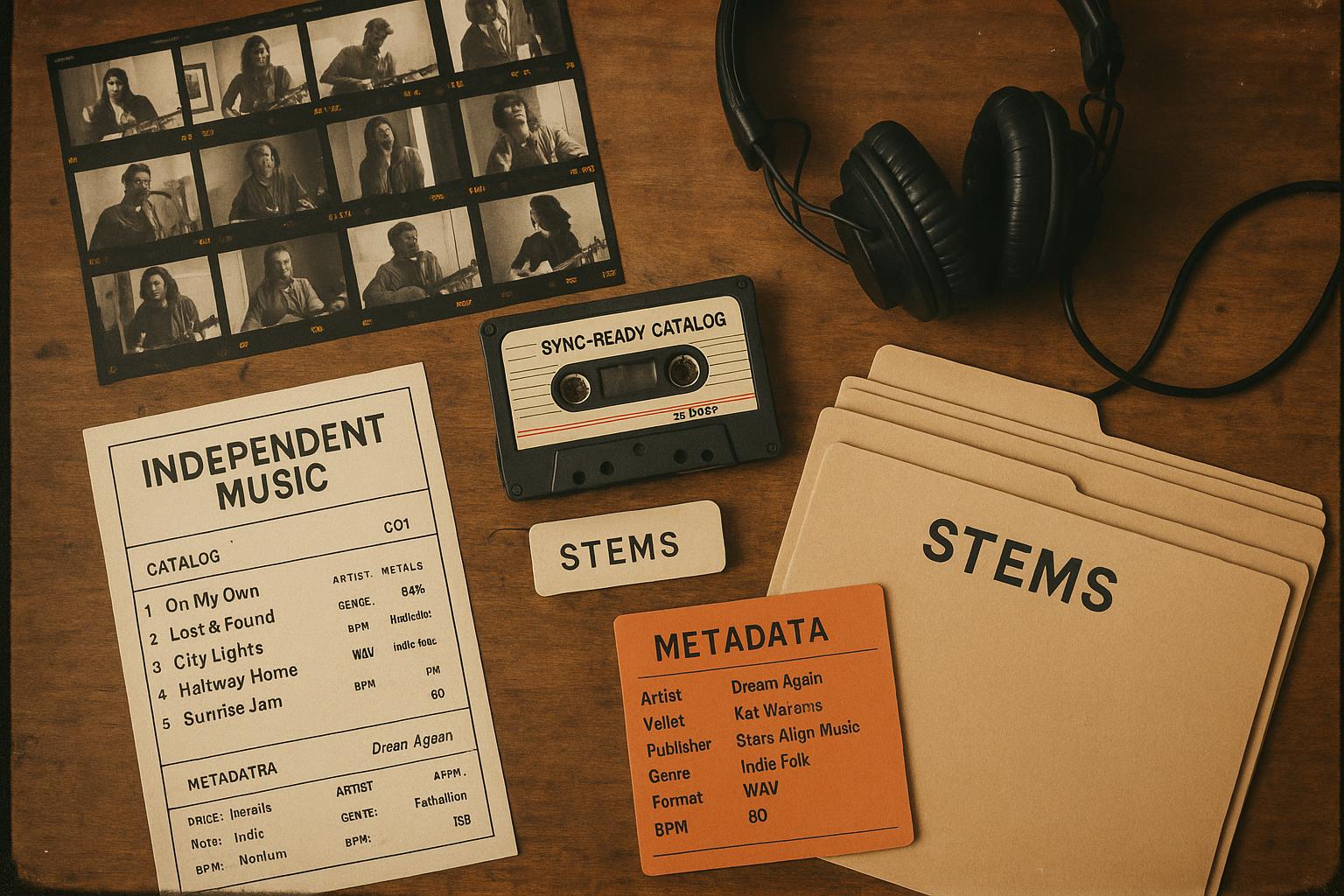
Unlocking placements: practical strategies for music supervision in film, TV, and streaming
In today’s screens-first world, Music supervision sits at the intersection of artistry, licensing logistics, and business strategy. It’s not enough to make great songs; you must align them with the right scenes, the right timing, and the right rights framework. This practical guide offers step-by-step playbooks for producers building placement-ready catalogs, songwriters pitching for film and TV, sync supervisors sourcing clearable music, and independent musicians pursuing recurring sync revenue. We’ll also highlight how One World Media’s services—sync strategy, music publishing, rights admin, distribution, and artist development—can accelerate every phase from creation to cue sheet.
Understanding the modern music supervision landscape
Music supervision today blends creative cueing with rigorous clearance workflows. Supervisors in Los Angeles and beyond evaluate demos against a brief, consider tempo, mood, and narrative function, and then coordinate with publishers, record labels, and PROs to secure licenses. The best outcomes hinge on catalogs that are ready to clear quickly: accurate metadata, clearly defined ownership, and assets that can be delivered in multiple formats. For producers, building a catalog with placement in mind means prioritizing song variants, stems, instrumentals, and alternative mixes that align with budget and scene requirements. For writers and artists, it means understanding how licensing budgets vary by genre and by platform—feature films, episodic TV, trailers, ads, and streaming originals all have distinct rhythms for approvals and fees.
From a brand perspective, Music supervision is a growth lever. A well-curated catalog with clean metadata and explicit licensing terms helps publishers and rights holders move faster, which translates into more placements and more recurring revenue. One World Media’s integrated approach—covering publishing administration, rights clearance, distribution, and catalog development—helps you align creative output with market realities in Los Angeles and other music hubs.
Rights and readiness: ensuring clean, clearance-ready assets
Clear, consistent rights information and broadcast-ready assets are non-negotiable in sync licensing. This section outlines the readiness checklist every producer, writer, and artist should adopt before pitching or submitting for approvals.
- Split sheets and ownership clarity: Document who owns master and publishing rights, and who signs licenses for each track.
- PRO registration and metadata: Ensure tracks are registered with PROs (ASCAP, BMI, SESAC in the U.S.) and that ISRC/ISWC codes are accurate and match the master and composition records.
- Cue sheets: Prepare cue sheets with accurate durations, timestamps, scene descriptions, and performer credits to streamline post-clearance and royalty collection.
- Alternate versions: Deliver approved versions including radio edits, instrumental versions, vocal stems, and alternate mixes that can fit diverse licensing contexts (trailer, end credits, scene-specific uses).
- Master vs. publishing ownership: Have a clear written agreement specifying who grants sync licenses and how revenue is split, including any sub-licensing rights for trailers or promos.
For Music supervision to be effective, the rights package must be air-tight before a pitch. This is where One World Media’s rights admin, publishing, and distribution services come into play—ensuring metadata integrity from day one and a smooth clearance path during negotiations with studios, networks, and brands.
What sync supervisors need from artists
This section is a practical checklist for artists, writers, and producers who want to be placement-ready. Meeting these needs dramatically increases the odds of getting cleared and paid on time, especially for high-profile Los Angeles briefs where competition is intense.
- High-quality metadata: track title, artist names, album, genre, mood, tempo, and key. Include ASCAP/BMI/SESAC writer and publisher information, ISRC/ISWC codes, and contact details for the licensing team.
- One-stop clearance readiness: clear all sample content, collaborators, and third-party material. Have license-ready master recordings and composition rights with signed agreements on who can license.
- Alt mixes, stems, and instrumental versions: provide stems (drums, bass, guitar, keys) and instrumentals to accommodate different scenes, broadcast formats, and visual pacing.
- Fast turnaround: establish a preferred workflow for quick revisions, new mixes, or alternate edits in response to scene changes or budget shifts.
- Alternate edits and tempo-appropriate edits: offer versions that match time-coded cues, tempo shifts for montage sequences, and scene-specific tempo changes.
- Professional cues and documentation: delivery-ready stems, clean master files, and a cue sheet-ready package to speed post-licensing workflows.
Note: In practice, a sync supervisor often acts as a bridge between the creative team and the legal/commercial teams. A dependable, responsive artist roster reduces back-and-forth and accelerates approvals. This is where One World Media’s collaborative approach to publishing, rights, and catalog development becomes a strategic advantage, especially for artists based in Los Angeles who want to stay close to the decision-makers and production cycles.
Producer/songwriter collaboration workflows that increase placement success
Effective collaboration between producers, songwriters, and publishers is a proven pathway to more placements. Below is a structured workflow you can implement immediately to increase your chances for music supervision success.
- Define placement goals and target genres: Map each track to likely contexts (drama, comedy, thriller, trailer, streaming original) and the type of license you’re pursuing (master-use, cover, or composition-only).
- Build a pitch-ready asset package: Prepare clean master files, high-quality stems, a robust metadata set, and a one-sheet with licensing terms and usage examples.
- Establish a centralized collaboration hub: Use a shared workspace with clearly assigned roles (artist, producer, publisher, rights manager) and a standard non-disclosure agreement for all submissions.
- Streamline approvals: Create pre-approved license templates for common scenarios (TV episode, film trailer, digital ad) with clear revenue splits and usage rights.
- Optimize metadata and catalog hygiene: Regularly audit ISRC/ISWC, publishing IDs, and royalty information to prevent mispayments and delays at the cue-sheet stage.
- Iterate on feedback: Track which cues receive interest or rejections, and use that data to refine future submissions, alt mixes, and track arrangements.
Practical best practices for producers and writers include maintaining a living catalog with fresh material, scheduling quarterly sync-read sessions with local LA supervisors, and aligning a release plan with rights clearance milestones. A well-managed catalog, reinforced by Music supervision readiness, makes One World Media a natural partner for publishers and distributors seeking fast, reliable results and ongoing artist development opportunities.
Real-world case study: a placement from concept to cue
In a recent LA-based film, a songwriter collaborator team prepared a mood-led ballad with three versions: the original vocal, an instrumental, and a mid-tempo remix. The team pre-registered the track with its ISRC and ISWC, completed a split sheet, and delivered a fully documented cue package with a time-stamped cue sheet. A week before production, the supervisor requested a shorter edit for a trailer and stems for a lyric video. The artist responded with a revised mix and all required stems within 24 hours. The final cue was used in a pivotal montage, with a clean master license and an agreed revenue split. This case demonstrates how readiness, fast turnaround, and a responder-friendly workflow produce tangible results, reinforcing why producers and writers who leverage a sync strategy partner like One World Media perform at a higher level in competitive markets.
FAQ
Q: What is music supervision and why does it matter for film and TV?
A: Music supervision is the process of selecting, licensing, and synchronizing music to visual media to support storytelling, mood, and pacing. It matters because the right cue can elevate a scene, influence audience engagement, and generate ongoing revenue through licensing and royalties. Effective supervision requires creative alignment, scalable rights management, and efficient clearance workflows.
Q: How can independent artists begin building placement-ready catalogs?
A: Start by curating a focused catalog with clear ownership, high-quality metadata, and multiple asset formats (stems, instrumentals, edits). Register your works with PROs, obtain ISRC/ISWC codes, prepare split sheets, and deliver cue-ready packages that include short, mid-length, and full-length versions. Create a pitch deck that highlights mood, tempo, and potential scene alignments, and partner with a rights-friendly publisher or distributor who can navigate sync licensing efficiently.
Q: Which metadata and documentation are most critical for sync licensing?
A: Essential items include accurate track titles, artist and publisher names, PRO information, ISRC and ISWC codes, real tempo and key, licensing terms, and contact details for licensing inquiries. Also ensure complete split sheets, clear master/publishing ownership, and ready-to-file cue sheets with timestamps and scene descriptions.
Q: How can One World Media support artists and producers in securing placements?
A: One World Media offers an integrated suite—sync strategy, music publishing, rights administration, distribution, and artist development. We help build placement-ready catalogs, manage metadata and cue sheets, secure clearances, and provide data-driven guidance to target opportunities in Los Angeles and other markets, accelerating both upfront revenue and long-term catalog growth.
Contact One World Media
For more information, please contact us at support@oneworldmedia.global or call (307) 200-8139.