
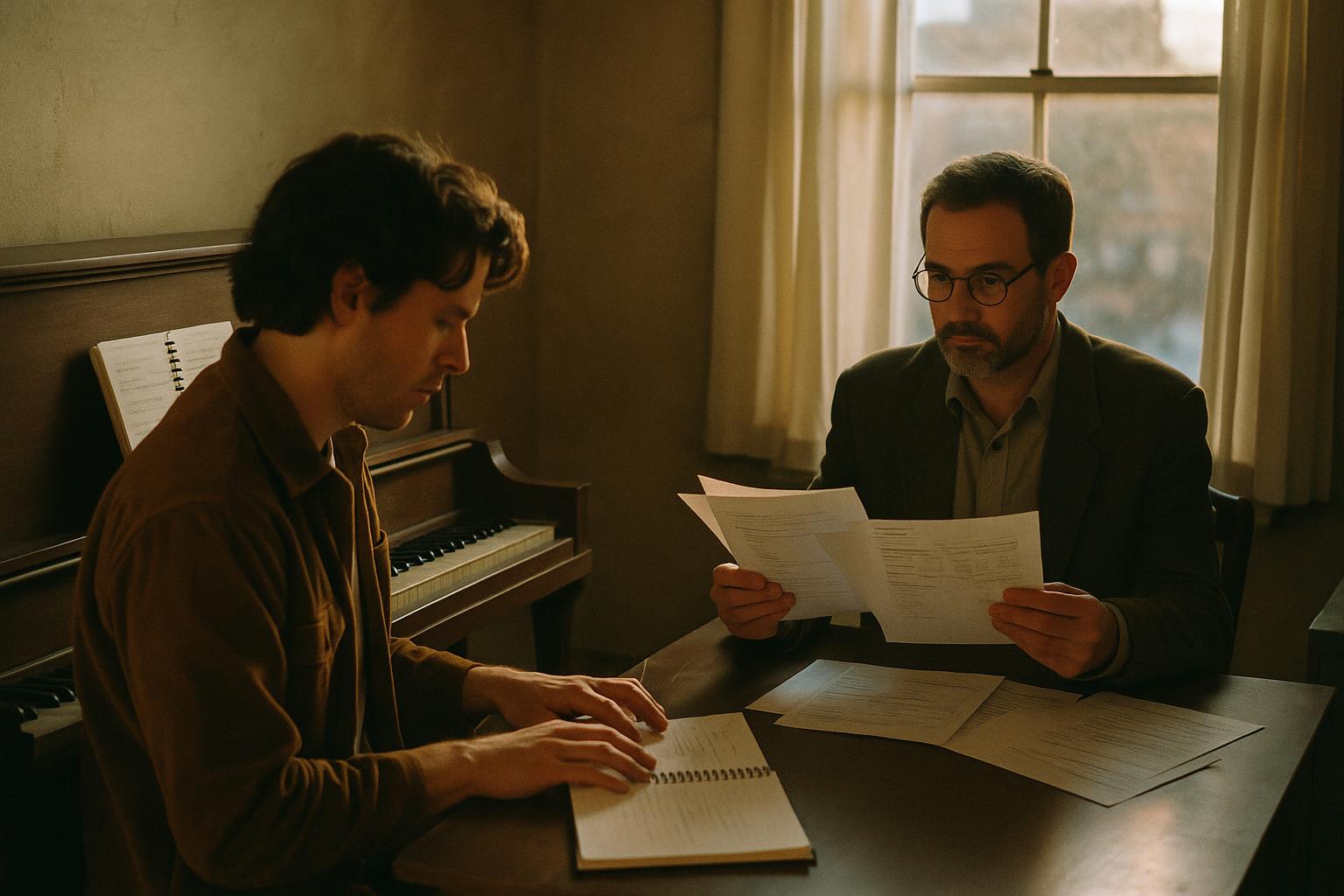
Turn YouTube views into recurring sync revenue with a placement-ready catalog
In today’s licensing landscape, independent producers, songwriters, and composers can convert YouTube traction into consistent sync income by building placement-ready catalogs. The path is practical, measurable, and repeatable, not a mystery. This guide shows you how to align your music, metadata, and collaboration workflows so producers, studios, and brands choose your catalog for film, TV, trailers, ads, and streaming features. One World Media offers focused services in sync strategy, music publishing, rights administration, distribution, and artist development—backed by a Los Angeles network of supervisors and licensors who understand what makes a track placement-ready in real-world production schedules.
Building placement-ready catalogs for YouTube and beyond
Think beyond a single hit. The goal is a scalable catalog that fits the needs of shows, films, and YouTube-driven campaigns. Strategy, discipline, and clear packaging matter as much as the music itself. Here’s a practical process you can apply today:
- Audit your catalog for suitability. Flag tracks with strong hooks, clear titles, clean masters, and a tempo/key that matches common on-screen moments (emotional cues, chase scenes, transition moments).
- Tag tracks for placement contexts. Label tracks as drama/romance cues, high-energy chase, emotional bed, advertising-friendly, etc., with tempo, key, mood, and runtime notes.
- Produce ready-to-license versions. For every track, prepare:
- Full master
- Publishing stems (where possible)
- Instrumental version
- Alternate mixes (short, long, vocal, no-vocal)
- Tempo/timing metadata aligned to common plural channels (e.g., 60-90 sec spots, 20-30 sec bumpers)
- Standardize metadata. Create a metadata template you can reuse across all tracks (see Rights Readiness for details). Consistency reduces clearance time dramatically.
- Set licensing boundaries. Establish clear usage licenses (sync + master use, or master-only for certain tracks) and keep these in a master rights document accessible to your distribution and publishing team.
- Test in context. Create quick mock scene edits or YouTube-style video shorts to see how each track feels with picture. You’ll spot adjustments you must make before pitching to supervisors.
Key tip for Music for YouTube: align your catalog with the most common YouTube formats—short-form social clips, long-form editorial, and branded content—so producers can imagine your tracks in their exact projects.
Metadata, rights readiness, and cue sheets for fast clearance
Clear, complete metadata and a transparent rights framework drastically shorten clearance timelines. When a supervisor or a rights holder asks for information, you want to answer instantly. Use the following checklist to prepare:
- Split sheets. Document every contributor, percentage, and rights split clearly. This reduces disputes later and speeds internal approvals.
- Master and publishing ownership clarity. State who owns the master and who controls the publishing, including any sub-publishers or co-writers.
- PRO registration. Ensure each track is registered with your PRO (ASCAP, BMI, SESAC, or equivalent in your region) and that your publisher is registered.
- ISRC/ISWC metadata. Include ISRC for the master and ISWC for the composition; attach these codes to all delivery files and metadata records.
- Cue sheets. Prepare cue sheets for every track with timing, scene notes, and usage rights. This is essential for broadcast royalties and future licensing audits.
- One-stop clearance readiness. Where possible, negotiate and document one-stop licenses that cover master and publishing in a single agreement, minimizing back-and-forth with rights holders.
By enforcing these standards, you create a compelling, low-friction path for publishers, licensors, and platforms to clear your music quickly. One World Media can guide you through implementing a robust metadata and rights workflow, including onboarding to distribution channels and publishing administration that streamlines approvals for Music for YouTube placements.
Sync supervisor playbook: what they need from artists
Sync supervisors sourcing clearable, high-quality music care deeply about delivery speed, clear licensing, and track readiness. If you deliver with confidence, you’re more likely to secure repeated placements. Here’s what supervisors typically need:
- Metadata quality. Accurate track titles, artist names, songwriter credits, and clear licensing terms.
- One-stop clearance options. Availability of master and publishing licenses in a single agreement or clearly defined rights, reducing negotiation time.
- Alt mixes and stems. Multiple versions (instrumental, vocal, short cuts) and stems (drums, bass, guitars, keys) ready for dialog and sound design edits.
- Instrumental versions. Distinct, clean instrumentals for background or competition scenes where vocals are not desired.
- Fast turnaround. A dedicated contact channel and rapid response window to handle requests, edits, or new cue proposals.
To support these needs, organize your catalog with a dedicated “Sync-Ready” subset, including clearly labeled stems and alternate mixes. One World Media’s sync strategy and rights administration services can help you configure this workflow, ensuring your music travels smoothly from your studio to the edit suite in Los Angeles and beyond.
Producer and songwriter collaboration workflows that increase placement success
Strong collaboration is often the differentiator between tracks that sit idle and tracks that get licensed. Effective workflows reduce friction, accelerate approvals, and yield better sync-ready material. Consider these proven approaches:
- Co-create with clear ownership tracks. From the start, document who owns what and how publishing and master rights are split, with explicit placeholders for potential splits with collaborators.
- Shared project infrastructure. Use a common cloud workspace (trusted, secure, and indexed) for stems, alternate mixes, notes, and metadata to avoid version chaos.
- Versioning discipline. When delivering new mixes, provide version numbers, duration, and a brief scene concept for placement. Include a short “pitch note” tailored to potential placements (film cue, TV drama, YouTube editorial, etc.).
- Delivery templates. Create standardized delivery packages per track: master, stems, vocal/acoustic stems, instrumental, and multiple edits, all with consistent naming conventions and metadata files.
- Proactive metadata collaboration. Writers and producers share metadata templates for track credits, publishing details, and ISRC/ISWC codes at the outset to prevent last-minute gaps during clearance.
These collaboration workflows align with One World Media’s artist-development approach, helping you build a durable, growth-oriented catalog that stands up to the most demanding sync opportunities, including feature films, TV series, trailers, and major YouTube campaigns in Los Angeles and beyond.
Real-world scenario: a YouTube-driven placement case study
Case overview: In Los Angeles, a small production team and a songwriter-producer duo built a tight, placement-ready catalog tailored to dynamic YouTube content—short-form educational videos, lifestyle vlogs, and brand storytelling. They maintained rigorous metadata, offered stems and alternate mixes, and used one-stop licensing where possible. A popular gaming YouTube channel discovered their work through a playlist of shorter, mid-tempo cues and cleared three tracks for use in a video trailer, a sponsored stream, and a follow-up video series.
Impact: The channel paid upfront licensing fees and ongoing royalties through the publishing route. Within six months, the duo reported recurring revenue from repeat placements and a growing backlog of YouTube-friendly cues with ready-made video cues. They credited a clear collaboration workflow, consistent metadata, and a trusted partner—One World Media—for publishing administration, sync strategy, and distribution to major platforms. The result was a scalable, repeatable process that turned YouTube exposure into a reliable revenue stream.
Rights and readiness: essential considerations for lasting placement success
Beyond great music, success depends on rights clarity and readiness. This section highlights the critical elements you must manage to prevent licensing delays and maximize your earning potential across platforms, including YouTube.
- Split sheets and ownership clarity. Document who owns what, including any community or collaborative shares. This reduces disputes and speeds negotiations.
- Master vs. publishing ownership. Maintain explicit, signed statements about who controls masters and who controls publishing, including any subpublishers.
- PRO registration. Confirm that performers and songwriters are registered with the appropriate PRO and that publishers are listed with the PRO where required.
- ISRC/ISWC metadata accuracy. Attach these codes to all recordings and compositions to ensure accurate royalty tracking across territories.
- Cue sheet importance. Prepare complete cue sheets with timing, use, and credits to support performance royalties and future licensing transparency.
Implementing these practices positions you to maximize revenue from YouTube-adjacent placements and other screen-based media. It also makes it easier for distributors and publishers to manage your rights across platforms, including in-depth metadata delivery that reduces clearance friction.
FAQ
Q: How do I start building a catalog that’s ready for YouTube placements?
A: Begin with a metadata-first approach. Audit tracks for clarity of ownership, prepare stems and alt mixes, and create a standardized packaging kit (master, instrumental, vocal alternates, short edits) with consistent ISRC/ISWC codes and cue sheets. Partner with a publisher or rights administrator who can help with publishing administration and distribution to ensure you can scale quickly.
Q: Why is metadata quality so important for sync licensing?
A: Metadata acts as the map for rights holders, supervisors, and platforms. Accurate credits, credits splits, and usage rights speed clearance, reduce disputes, and improve royalty accuracy. It directly influences the speed at which a cue can be cleared for a YouTube frame or a TV cut.
Q: What should I deliver to maximize fast clearance even under tight deadlines?
A: Deliver a one-stop clearance-ready package: master and publishing licenses clearly defined, high-quality stems and alternate mixes, complete cue sheets, and precise metadata. Have a single point of contact for quick approvals and a track record of prompt responses to any clarifications.
Q: How can One World Media help with publishing, sync, and distribution?
A: We offer integrated services including sync strategy development, music publishing administration, rights management, and distribution. We help producers and songwriters build placement-ready catalogs, optimize metadata, coordinate licensing, and facilitate ongoing artist development for recurring sync revenue, particularly valuable for markets like Los Angeles where demand from TV, film, and YouTube-driven campaigns is high.
Contact One World Media
For more information, please contact us at support@oneworldmedia.global or call (307) 200-8139.