
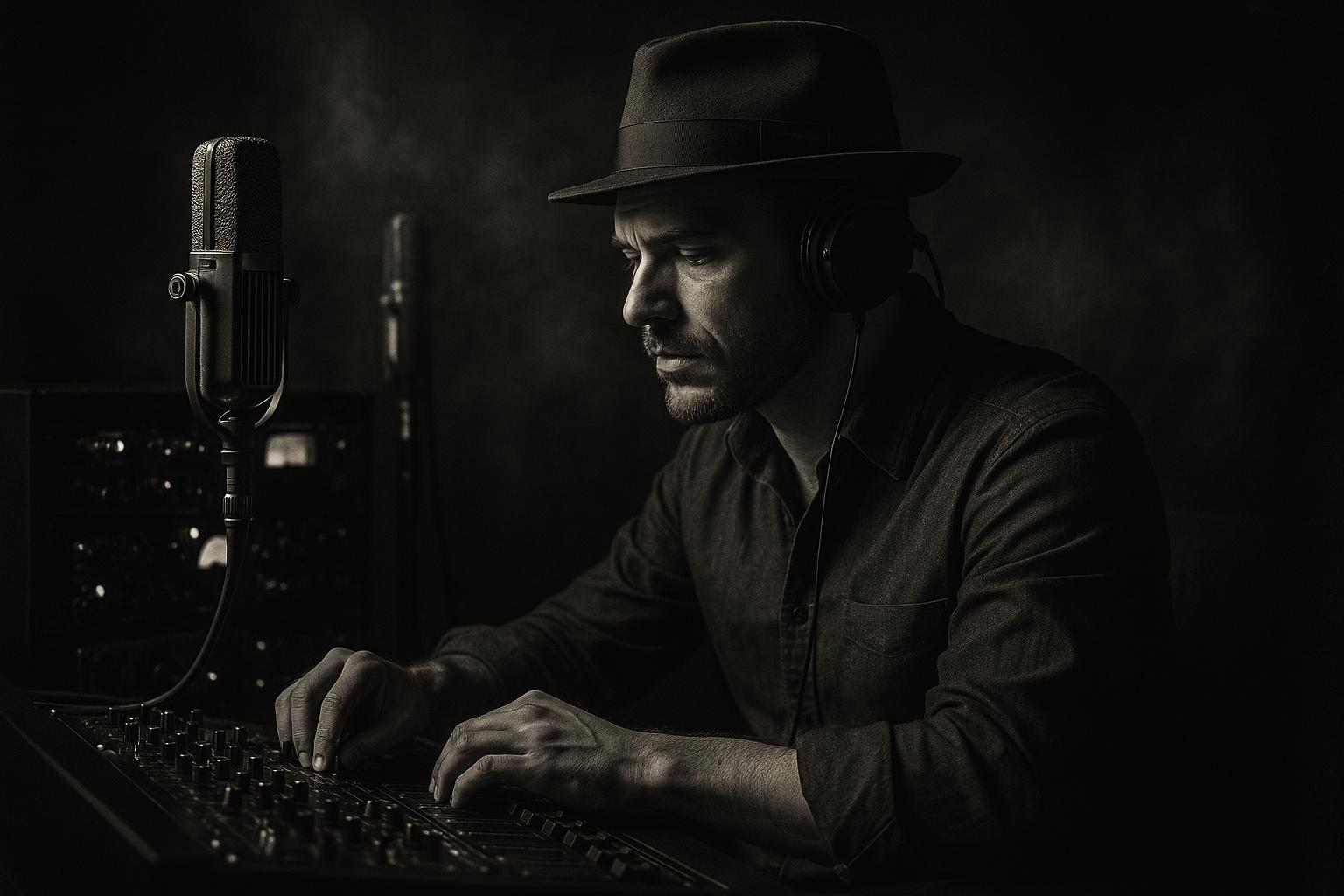
Turn up the revenue: practical strategies to place music across film, TV, trailers, and ads
For producers building placement-ready catalogs, for songwriters pitching to screen projects, and for sync supervisors sourcing clearable music, mastering Music monetization means more than just tracks — it means a repeatable process that unlocks licensing routes, streaming income, and ongoing publisher revenue. In today’s LA-centered, media-driven market, every beat should be ready to clear, every track clearly tagged, and every collaboration designed to scale quickly.
Build a placement-ready catalog: practical steps
- Define your catalog’s sweet spots. Map genres, moods, tempos, and themes that align with film trailers, TV dramas, commercials, and streaming series. Create a clear catalog taxonomy to speed up discovery for supervisors and music editors.
- Deliver production-ready stems and alternate mixes. Provide stereo masters, clean stems by instrument, and stripped-down instrumentals. Include up to two alternate mixes (e.g., a vocal‑lead upmix and a moodier, low-end-focused version) to fit different edit styles.
- Lock metadata at the source. Build a standardized metadata schema that includes title, artist, composer, publisher, label, ISRC, key, tempo, length, license type, mood, and potential use cases. The faster a supervisor can search and filter, the sooner a cue gets placed.
- Secure clear ownership and documents. Ensure you have a master-owner and at least one publishing administrator ready to execute licenses. Have the necessary permissions for all collaborators and sample usage, with explicit rights clearance where applicable.
- Prepare a concise pitch pack. For each track, include a one-line logline, a short description of suitable scenes, temperature (e.g., upbeat, melancholic, tension), and a recommended usage (cinematic trailer, end-credits, episodic montage).
- Establish a release and distribution plan. Partner with a rights administrator and distributor who understand sync licensing and metadata standards. Consider ongoing artist development to build a steady pipeline of tracks suitable for sync).
- Quality control before submission. Verify file integrity, masters, stems, and metadata alignment across all versions. Do a quick test render to confirm timing and cue points align with typical edit windows in LA studios and post houses.
In practice, this approach helps you respond quickly to briefs, which is essential for high‑value placements. It also supports Music monetization because every asset is primed for licensing, performance rights organization (PRO) processing, and potential evergreen use. One World Media can support this workflow with a coordinated offering that includes sync strategy, music publishing, rights admin, distribution, and artist development to keep your catalog visibility high and clearance processes smooth.
Sync supervisor playbook: what they need from artists
Sync supervisors are charged with clearing a track across a landscape of rights holders and publishers, often under tight deadlines. To increase your hit rate, provide the following assets and processes:
- High-quality stems, instrumentals, and alternate mixes (where possible).
- Accurate, comprehensive metadata (see above) and a clean cue sheet template for quick licensing.
- One-stop clearance options or ready, line-itemed rights packages that reflect master and publishing ownership.
- Prominent, easy-to-parse instrument version notes for potential edits or replacements.
- A fast turnaround commitment (e.g., 24–48 hours for simple clearances, 3–5 business days for complex rights packages).
- Clear ownership information and contact points for all contributing parties (artist, producer, writer, publisher, label).
- Proof of PRO registration and ISRC/ISWC metadata to streamline performance royalty collection and cue-sheet processing.
Practical steps to implement right away:
- Assign a single point of contact for all sync inquiries, ideally tied to a rights-holding entity or publishing administrator.
- Bundle tracks with ready-to-clear packages, including a simple license matrix and sample-based usage limits if applicable.
- Provide stems and multiple mixes with clear labeling and version control for fast editing in post houses.
- Maintain an up-to-date catalog sheet that includes ISRC/ISWC data and PRO affiliations to expedite payout routing.
For teams in Los Angeles and the wider West Coast ecosystem, proximity to major studios and delivery pipelines accelerates approvals. When you present clean, well-documented materials, you dramatically increase the likelihood of timely placements and recurring sync revenue.
Rights and readiness: ownership clarity, metadata, and cue sheets
Before any pitch, you must have the legal and metadata groundwork set. This minimizes back-and-forth, reduces licensing friction, and improves payout timing. Key focus areas include:
- Split sheets that clearly allocate ownership percentages among all contributors and specify who is granting licenses for masters and publishing.
- Master and publishing ownership clarity. Identify who controls the master, who controls the publishing rights, and who can sign licensing agreements.
- PRO registration for each writer and publisher involved to ensure performance royalties accrue correctly.
- ISRC (for masters) and ISWC (for works) metadata completeness to support tracking and royalty attribution across platforms and PROs.
- Cue sheets are essential. They link music usage to broadcasts for licensing verification and royalty collection. Keep templates updated and shareable with clients and distributors.
Proactively addressing rights and readiness reduces deal friction and enables faster payments. A well-documented catalog with verified metadata helps One World Media execute a more efficient sync strategy, secure favorable licensing terms, and ensure ongoing revenue streams from publishing and distribution.
Producer/songwriter collaboration workflows that increase placement success
Collaborations between producers and songwriters can unlock a richer catalog for sync if structured with clear processes and shared responsibilities. Practical workflows that consistently yield placement-ready music include:
- Define target briefs and success metrics. Agree on genres, brief archetypes, and typical placement contexts (trailer, episodic, ad). Create a shared brief document that’s updated with each project.
- Establish clear ownership and licensing terms from the outset. Use written splits and publishing agreements to prevent disputes. Align on who handles master and publishing registrations, as well as PRO affiliations.
- Use a centralized asset library. Store masters, stems, alternate mixes, and metadata templates in a shared cloud workspace with version control and naming conventions.
- Standardize metadata and cue sheets. Create a master template for each track with consistent ISRC/ISWC codes, tempo, key, and mood tags. Attach a ready-to-use cue sheet to every submission.
- Develop a fast-review process. Build a preflight checklist for editors and supervisors, including proper taglines for scenes, suggested uses, and licensing availability.
- Lead with producer packs for licensing-ready catalogs. A producer pack includes stems, alternate mixes, and a clean licensing summary to accelerate negotiations.
- Leverage One World Media’s services. Our sync strategy, publishing, rights admin, distribution, and artist development programs are designed to reduce friction and scale placement opportunities.
By implementing these workflows, you’ll create track datasets that editors don’t have to chase for missing elements. In practice, this can turn a good song into a reliable placement candidate across multiple budgets and formats, contributing to recurring sync revenue and stronger publishing income.
Case study: a real-world music monetization win
In a recent Los Angeles‑based case, an independent duo—producer and songwriter partners—built a small, catalog-first approach around tight metadata and clean stems. They aligned ownership and PRO registrations before pitching. Using a structured workflow, they delivered a 90-second pop track with two alternate mixes and a ready-to-clear license package. A major streaming service’s trailer campaign shortlisted the track after a routine lead-time test by a LA post house. Within six weeks, the track secured an upfront license and nationwide usage in multiple broadcast slots, supplemented by streaming royalties and performance income through the PROs. The result was not only a one-off license but ongoing placement inquiries, fueling a predictable, monthly rental-style revenue model. This scenario illustrates how a well-prepared catalog and disciplined collaboration workflow can turn a single track into a recurring income stream and a scalable catalog strategy, with One World Media acting as the partner that aligns sync strategy, publishing, rights admin, distribution, and artist development around the goal of consistent placements.
FAQ
Q: How does music monetization work across film, television, and advertising, and where should an independent creator start?
A: Music monetization in these contexts hinges on clear rights, reliable licensing, and scalable asset delivery. Start by ensuring master and publishing ownership is clean, metadata is complete (ISRC/ISWC included), and you have stems and alternate mixes ready. Build a catalog with defined genres, moods, and use-case notes. Then partner with a rights administrator or publisher who can place tracks on sync briefs, manage cue sheets, and track royalties across PROs and distributors. A strategic approach with a trusted partner like One World Media accelerates introductions to supervisors and editors and translates into recurring opportunities.
Q: What’s the difference between master rights and publishing rights in sync licensing?
A: Master rights cover the actual recording of the track, typically controlled by the recording artist/label. Publishing rights cover the composition itself (the song and lyrics) and are controlled by the songwriter(s) and publishers. Sync licensing requires both clearances: the license to use the master (for the recording) and the license to use the composition (for the song). Coordinating both through a single partner—especially one with a robust sync strategy and rights admin—streamlines deals and payout timelines.
Q: How long does clearance usually take, and how can you accelerate it?
A: Clearance timelines vary by project complexity and rights holders. Simple catalog usages can clear in days; complex scenarios with samples or multiple collaborators may take weeks. Accelerants include clearly labeled ownership, ready-to-sign licensing documents, pre-cleared demo versions, and fast access to stems and alternate mixes. Proactively providing cue sheets, PRO registrations, and up-to-date metadata also reduces back-and-forth and speeds approvals.
Q: How can One World Media help my independent catalog succeed in sync licensing?
A: One World Media offers end-to-end services designed to monetize music through sync. Our sync strategy aligns with your creative goals; we handle publishing, rights admin, distribution, and artist development to optimize licensing opportunities. We help you build placement-ready catalogs, prepare metadata and cue sheets, manage licensing workflows, and connect you with LA-based supervisors and decision-makers who place tracks on film, TV, trailers, ads, and streaming content.
Contact One World Media
For more information, please contact us at support@oneworldmedia.global or call (307) 200-8139.