
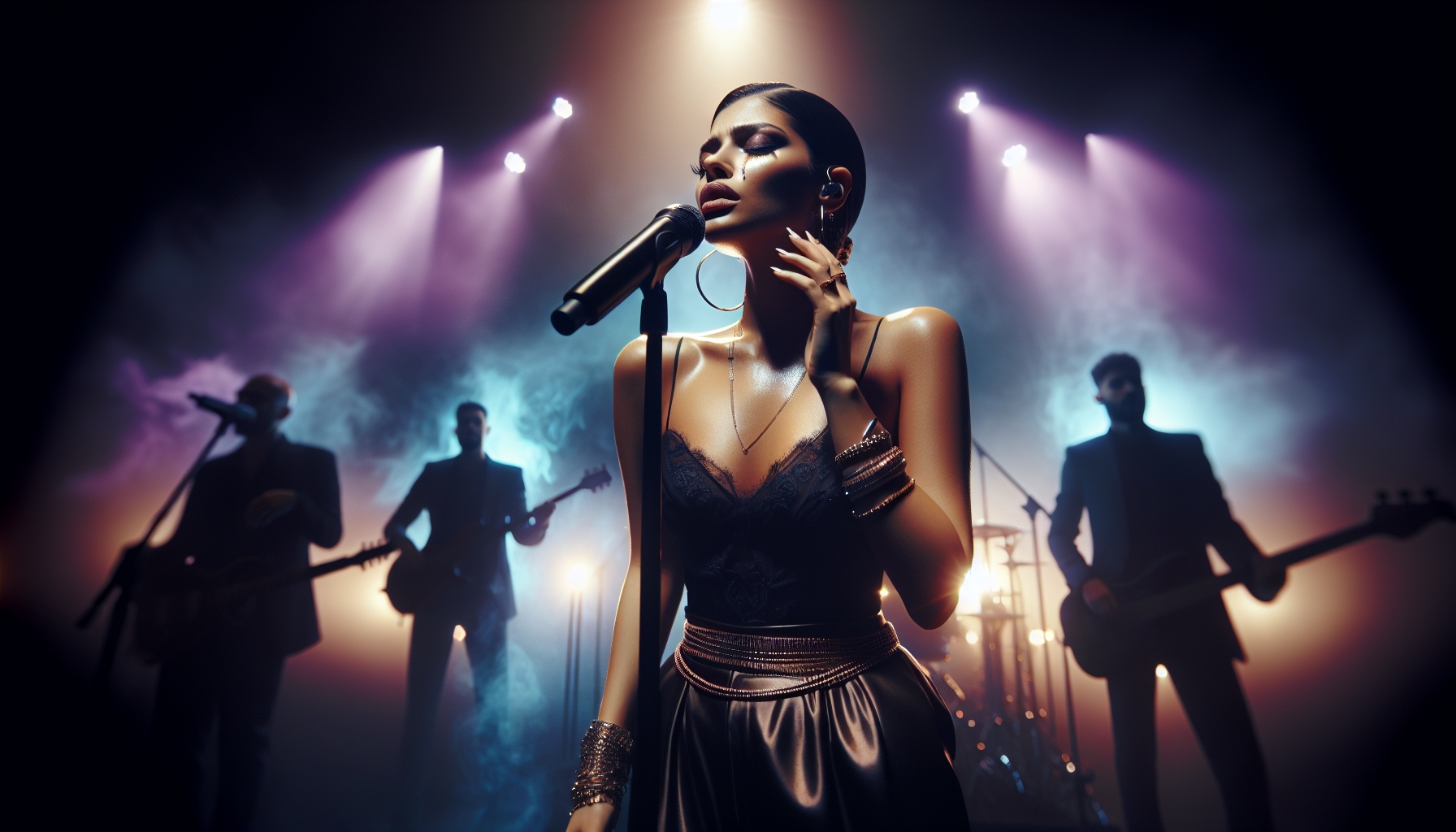
Exploring cutting-edge gear, intelligent workflows, and immersive soundscapes shaping contemporary music production
Today’s studios blend precision engineering, cloud collaboration, and creative experimentation to push the boundaries of what’s possible in music creation. The term state-of-the-art recording technology captures a broad ecosystem of high-fidelity hardware, advanced software, and innovative workflows that enable artists, producers, and engineers to capture performances with unprecedented clarity, summon vibrant space, and deliver polished, radio-ready mixes faster than ever. As the industry evolves, professionals and newcomers alike can harness these tools to tell more compelling sonic stories across genres.
What counts as state-of-the-art in recording technology
When we talk about state-of-the-art recording technology, we’re describing a combination of precision measurement, creative flexibility, and scalable workflows. It’s not just the loudest plugin or the shiniest console—it’s how these elements work together to capture nuanced performances and reproduce them across speakers, headphones, and immersive formats. Consider these pillars as the backbone of modern studios:
- High-resolution capture and conversion: 24-bit/192 kHz workflows, low-latency monitoring, and premium analog-to-digital conversion chains for pristine fidelity.
- Smart IT and AI-assisted tools: intelligent noise reduction, adaptive equalization, and automated gain staging that preserve musicality while accelerating sessions.
- Hybrid analog-digital signal paths: the warmth and character of vintage gear paired with the precision and recallability of digital processing.
- Immersive and multichannel formats: stereo workstreams alongside Dolby Atmos, 7.1.4, and other immersive configurations for streaming and cinema.
- End-to-end collaboration: cloud-enabled projects, version control, and secure file transfer so teams can work from Los Angeles, New York, or remote locations without friction.
In practice, state-of-the-art recording technology means you’re optimizing every stage of the process—from capture to delivery—and making space for creativity through intelligent tooling. For producers and artists, this translates into faster turnaround times, cleaner session files, and more consistent results across formats and platforms.
Core components powering modern studios
To build a compelling sonic pipeline, it helps to understand the core components that frequently appear in cutting-edge facilities. Each element contributes to the overall clarity, depth, and polish of the final product.
- Digital Audio Workstations (DAWs) and plugins: Industry-standard platforms (such as Logic Pro X, Pro Tools, Ableton Live) paired with high-quality virtual instruments, dynamics, and modulation tools help you sculpt, comp, and arrange with precision.
- Premium interfaces and clocking: High-quality audio interfaces with low-latency drivers, precise clocking, and high input/output counts enable clean recording and reliable playback for dense sessions.
- High-fidelity monitoring and acoustics: Accurate nearfield and midfield monitors, bass-trap treatments, diffusion, and room measurement tools ensure you hear what you’re creating with integrity.
- Microphones and capture space: A versatile mic collection (condenser, dynamic, ribbon) and well-treated rooms capture nuance, articulation, and transient detail in vocal, instrument, and ensemble performances.
- Outboard gear and modern analog sections: Compressors, preamps, EQs, and classic color pedals are still relevant, especially when paired with clean digital paths to preserve expressiveness.
- Metadata, stems, and delivery standards: Proper labeling, stem creation, and loudness normalization ensure your work travels smoothly through distribution pipelines and syncing workflows.
In the landscape of state-of-the-art recording technology, the ability to integrate these components with a cohesive workflow is what separates fast-moving projects from bottlenecks. This is especially true for complex productions such as immersive audio mixing, film/TV synchronization, and high-fidelity audiobook narration where precision and consistency matter.
Workflow strategies for modern music production
Adopting a disciplined yet flexible workflow is essential when you’re leveraging state-of-the-art recording technology. Below are strategies that help teams stay creative while maintaining professional standards.
- Define a sonic goal and build a reference library: Start with a target sound (genre, era, artist) and collect reference tracks to guide your decisions from capture to mix.
- Plan for coexistence of analog warmth and digital precision: Use analog gear for character during tracking, then digitize and polish with clean processing in the DAW.
- Adopt secure cloud collaboration: Share projects, presets, and stems with collaborators anywhere while preserving project integrity and version history.
- Use intelligent tools to augment human decisions: Apply AI-assisted restoration, note-on/note-off alignment, and transparent mastering chains to preserve intent while improving consistency.
- Implement consistent loudness and metadata practices: Prepare masters with industry-standard loudness targets and attach accurate metadata to streamline distribution, licensing, and syncing.
For producers and engineers in Los Angeles and surrounding areas, aligning with a trusted partner who understands both the creative and business sides of music makes a measurable difference. This is where specialized services from One World Media can complement your workflow by combining technical excellence with strategic industry know-how.
Actionable steps you can implement today
- Audit your room and solve the largest acoustic issue first. Use bookshelf diffusers or a portable panel kit to tame early reflections and improve mixing accuracy.
- Upgrade or optimize your interface for cleaner AD/DA conversion and lower latency. If budget allows, consider a preamp with a clean, musical color to add depth during tracking.
- Curate a compact set of high-quality mics and a versatile mic locker. Matching mic choices to instruments and voices yields immediate gains in tone and isolation.
- Set up a robust reference system. Create a dedicated reference folder with well-mixed tracks and a simple A/B comparison process to evaluate your own work against industry standards.
- Adopt a modern DAW approach with templates, level-safe routing, and standardized buses. This reduces session setup time and promotes consistency across projects.
- Explore immersive audio options if your project demands it. Even in mainstream releases, consider creating a 5.1 or Atmos-ready stem set so you have future-proofed assets for relevant platforms.
- Develop a clear delivery plan for distribution and licensing. Prepare properly named stems, metadata, and final masters to accelerate syncing and publishing processes.
Readers aiming to elevate a professional audio project can rely on One World Media for guidance and execution. Serving artists and producers in Los Angeles and surrounding areas, we bring deep expertise in music publishing, sync supervision, audiobook production, a record label framework, music distribution, and the broader music business landscape. For more information, please contact us at support@oneworldmedia.global or call (307) 200-8139.
Case studies and real-world applications
Case study: Indie artist achieves lush, cinematic vocals with a hybrid setup
A rising artist integrated a hybrid analog-digital chain to capture intimate vocal performances and expansive instrumentals. The project combined a vintage microphone with a clean, quiet preamp and a modern high-resolution converter. The tracking room was acoustically treated to reduce muddiness while preserving natural ambience. Mixing employed a combination of analog-style saturation plugins and high-fidelity dynamics processing to maintain clarity in dense sections. The result was a mix that sounded both warm and precise, with an immersive feel that translated well to streaming formats and to a potential Atmos master in the future. This example illustrates how state-of-the-art recording technology can deliver expressive performances that stay faithful to the artist’s intent across platforms.
Case study: Audiobook production leveraging advanced processing and workflow automation
A major audiobook project used state-of-the-art tools for noise reduction, voice restoration, and dynamic range optimization to ensure a consistent, high-quality listening experience. The workflow included automated chapter detection, synchronized audio with time-coded scripts, and metadata-rich final exports for distribution on multiple channels. The collaboration leveraged cloud-based review cycles, enabling editors, producers, and voice talents to work from different locations while maintaining a tight timeline. This demonstrates how state-of-the-art recording technology supports not only music but also precision-driven voice projects in the digital age.
Case study: Sync-friendly music production for a film trailer
A production team created a high-impact trailer using a carefully engineered mix that emphasized dynamic range and cinematic texture. They incorporated immersive audio considerations from the outset—ensuring stems were prepared for stereo and immersive delivery—so the trailer could be licensed quickly for different platforms. The project benefited from meticulous mastering for loudness consistency and metadata tagging to simplify rights management. This real-world example highlights how state-of-the-art recording technology can streamline the path from creative concept to synchronized media placement.
Frequently Asked Questions
-
What differentiates state-of-the-art recording technology from high-end gear?
It’s not just the individual pieces, but how they integrate into a cohesive workflow that preserves sonic integrity while enabling efficient production, collaboration, and delivery across formats.
-
How can I start upgrading my setup on a budget?
Prioritize the most impactful upgrades: an accurate interface, a reliable monitoring system, and room treatment for your space. Build a plan to add one new high-value item at a time, and leverage software tools to maximize the return on each upgrade.
-
Is immersive audio essential for all projects?
Not always, but it’s increasingly relevant for film, TV, gaming, and certain music releases. Start with stereo and scale to immersive formats if the project scope requires it or if distribution plans call for immersive experiences.
-
What role does metadata play in modern productions?
Metadata ensures proper rights management, discoverability, and timely delivery to distributors and sync partners. It’s essential for music publishing, licensing, and consistent archival practices.
-
How can One World Media help with my project?
We provide end-to-end support in music publishing, sync supervision, audiobook production, and distribution, backed by a record label and music business expertise. Our team serves artists and creators in Los Angeles and surrounding areas, helping you turn advanced technology into real-world success. For more information, please contact us at support@oneworldmedia.global or call (307) 200-8139.
Contact One World Media
Reaching out to One World Media gives you access to a multidisciplinary team that understands both the artistic and commercial sides of music production. Our expertise covers music publishing, sync supervision, audiobook production, and full-spectrum music distribution and business services. In Los Angeles and the surrounding areas, we collaborate with artists, producers, and brands to craft compelling sonic identities and maximize licensing opportunities. We align cutting-edge state-of-the-art recording technology with practical strategies to deliver results you can hear and monetize.
Whether you’re planning a full-length album, a film trailer cue, or a high-profile audiobook, One World Media is positioned to help you navigate the complexities of modern media ecosystems. Engage with us to explore collaboration, licensing opportunities, and scalable production workflows that fit your timeline and budget. For more information, please contact us at support@oneworldmedia.global or call (307) 200-8139.